
Designing Resilient Gardens
Designing climate resilient gardens is becoming increasingly important so that our plants can withstand and thrive in extreme weather and we can continue to enjoy our gardens. Our design choices can also help our environment. Here are some top tips.

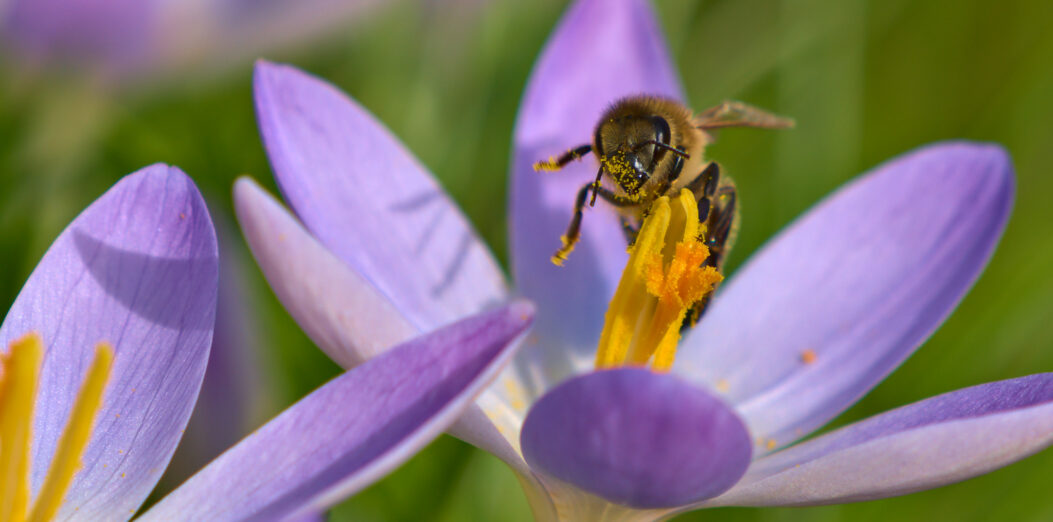
Our climate is changing, with extreme weather such as flash floods and droughts happening more often. Designing climate resilient gardens is becoming increasingly important as we need gardens to adapt and cope in tricky conditions. Four key ways of doing this are: incorporating water management; using resilient wildlife friendly species; creating more shade and using materials that help prevent flood risk.
1. Water Management
- Gardeners are face increasing pressure from warmer wetter winters and hotter and drier summers. It’s sensible to capture the downpours during the winter and use for watering in the drier periods.
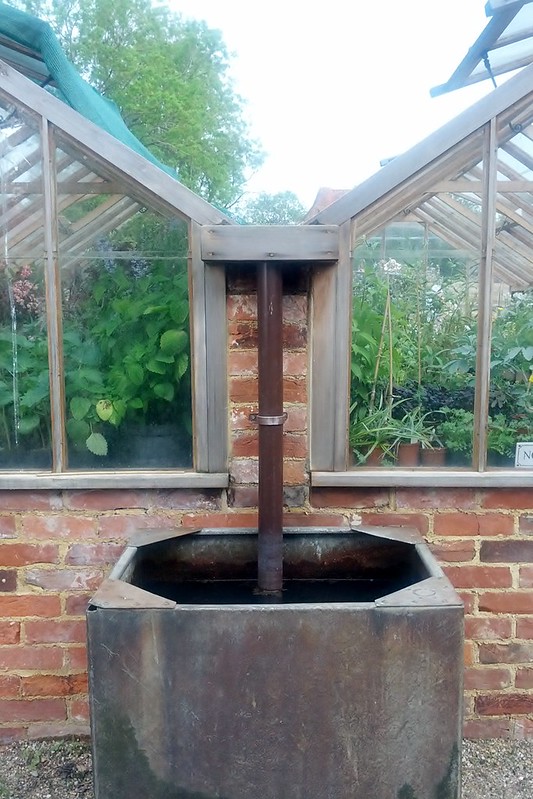
- Water butts which capture water from downpipes from garden buildings such as sheds and greenhouses are the easiest way to store rainwater during the winter months. With water butts coming in all shapes and sizes they can be aesthetic as well as practical.
- Rain chains provide a decorative yet functional alternative to water downpipes. Designed to be fitted to guttering, rain chains have pails or cups with holes in the bottom that directs the water down the chain. This creates a relaxing, gentle trickling sound. You can place a water butt, barrel or other receptacle under the rain chain to catch the water.
- Water bowls are another easy way to collect water for wildlife during hot periods.
Right: Water butts are great for conserving water to use in drought periods..
2. Hard Landscaping
- Being considerate of hard surfaces when designing is becoming increasingly important to reduce flood risk.
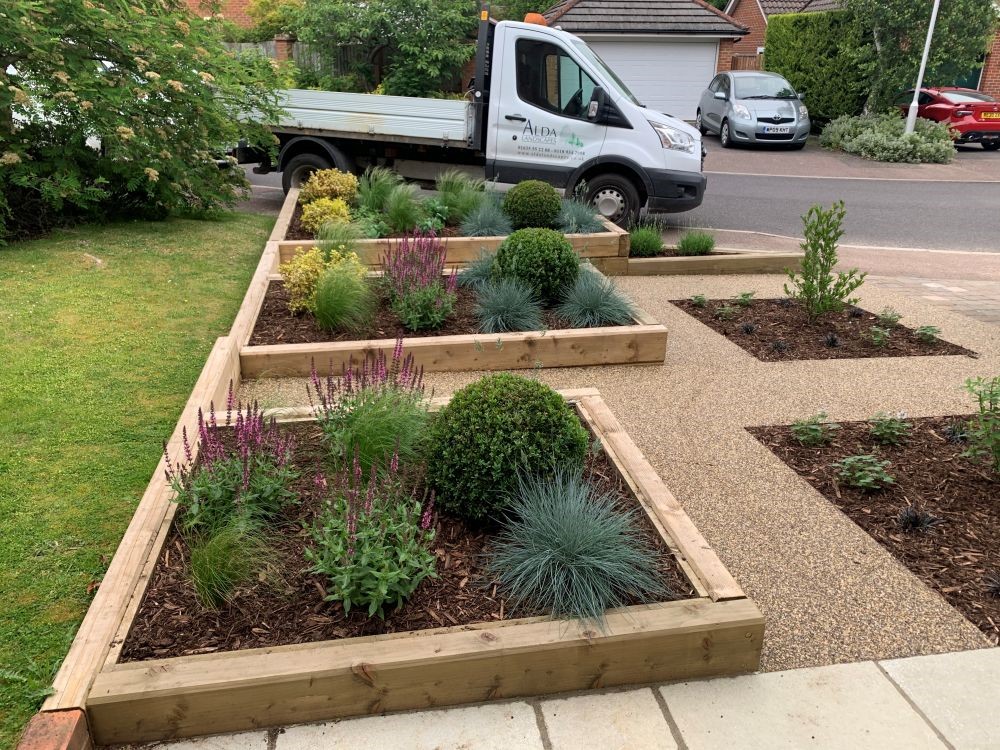
- It’s good practice to use permeable materials such as loose gravel for informal paths, staggered paving with planting and resin bound gravel for driveways and paths.
- To improve the quality of soil and avoid plants sitting in wet ground, you can dig in organic matter, such as leaf mould, compost or well-rotted manure, which improves the structure of the soil so that it drains more effectively.
Left: Resin bound gravel is permeable, thereby helping to reduce flood risk.
3. Planting Trees
- With climate change, we’re likely to see hotter temperatures during the summer, making exposed gardens uncomfortable to sit in.
- Growing trees and tall shrubs to create shade will create cooler conditions that enable us to spend more time outside.
- Deciduous trees create dappled shade in summer, while letting sun reach the ground in winter. With a wide variety of trees available, there is one suited for any sized garden.
Right: Trees help to create cooler conditions

4. Resilient Planting
- Drought-tolerant plants need less water to thrive and therefore need less watering during the summer months. If you have a particularly sunny or exposed garden, consider planting more drought tolerant species. Plants such as rock rose, agapanthus and lavender all do well with little water.
- Native plants and trees, such as foxglove, primrose, guelder rose and hawthorn, are typically better able to withstand changing weather patterns than non-natives. By choosing native plants, you won’t need to replace as many as the weather patterns and temperatures change.
- As well as creating low maintenance planting, consider providing food for wildlifethat may be affected by our changing climate. Mild winters may force bees and other pollinators to wake early from hibernation. To help wildlife, try and grow flowering plants for as long as possible, so there’s always a supply of nectar and pollen to sustain them. Early flowering species such as Hellebores and Bergenia can begin the flowering period early.
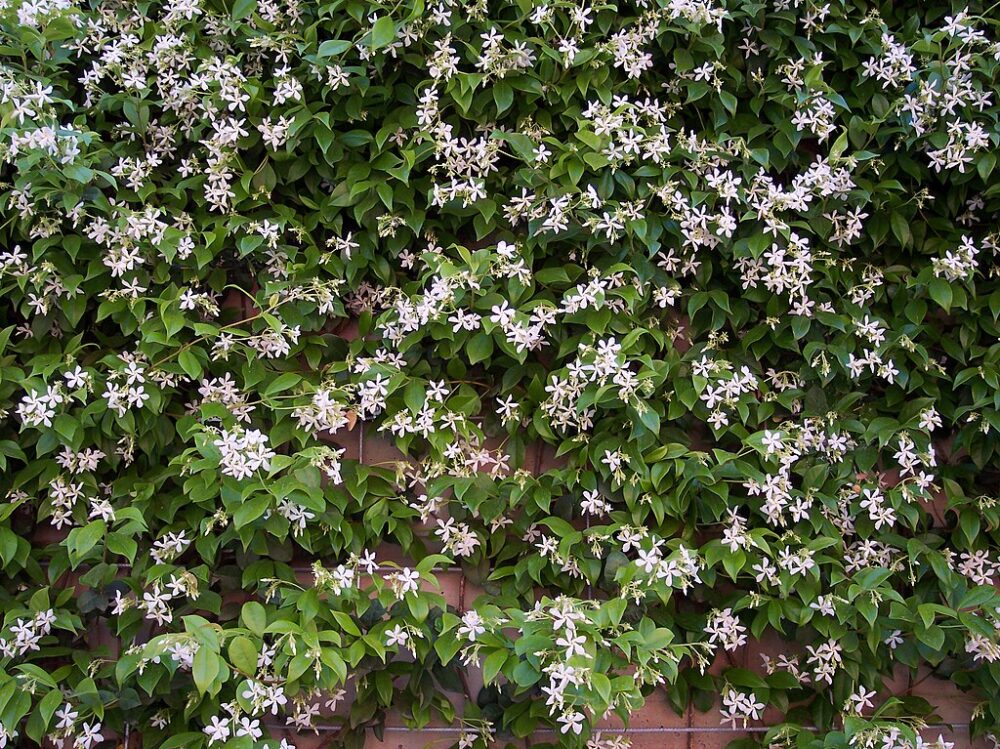
Left: Evergreen Star Jasmine (Trachelospermum jasminoides) thrives in hot dry climates, when many other climbers struggle.
From planning a new border to a complete garden remodel, we pride ourselves on transforming ideas into beautiful reality, with minimum disruption. If you’re based in or around the Reading and Newbury area, we’d love to meet and discuss your project in detail – book your free no-obligation garden consultation today.
Image Credits