
November Plant of the Month: Hardy Chrysanthemums
Chrysanthemums are brilliant for adding late autumn colour to the garden. Learn all about them here.

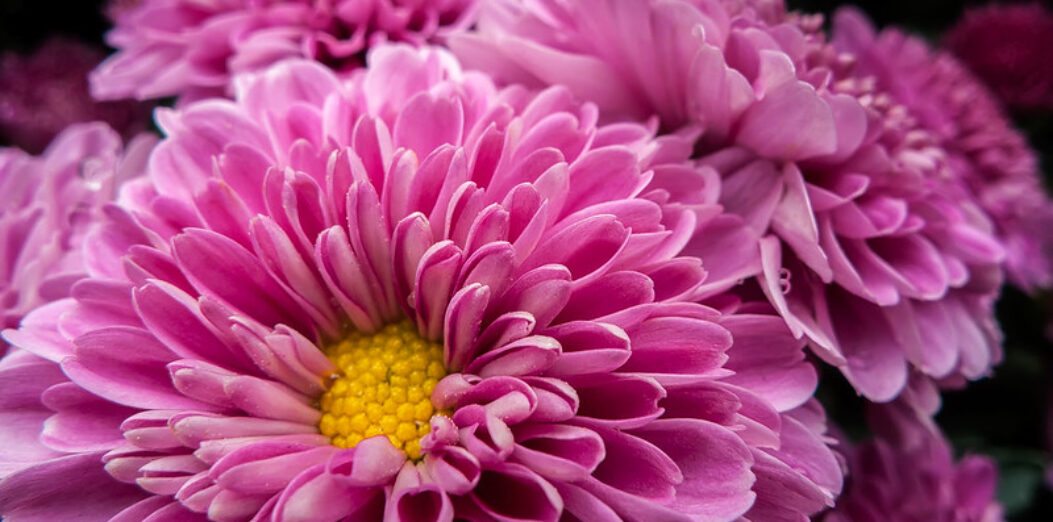
As a plant that had gone out of fashion, often associated with cheap bouquets, and seen as fussy and tender, the Chrysanthemum has started to see a come back as a valuable plant for late autumn colour in the garden.
There is a difference between florists’ chrysanthemums and the hardy chrysanthemums that grow in our gardens. Chrysanthemums grown by florists are often tender varieties that are grown in pots in greenhouses to encourage the big showy blooms needed for displays. Hardy chrysanthemums are perennial, and many can survive winter temperatures to -10C, some even lower and even if you live in an area where your winters are very harsh, they can be lifted and stored in a greenhouse.
Appearance
- Flowers come in a range of different colours from pale pinks to bright oranges.
- They can come in different sizes and shapes, and can be single or double-flowered.
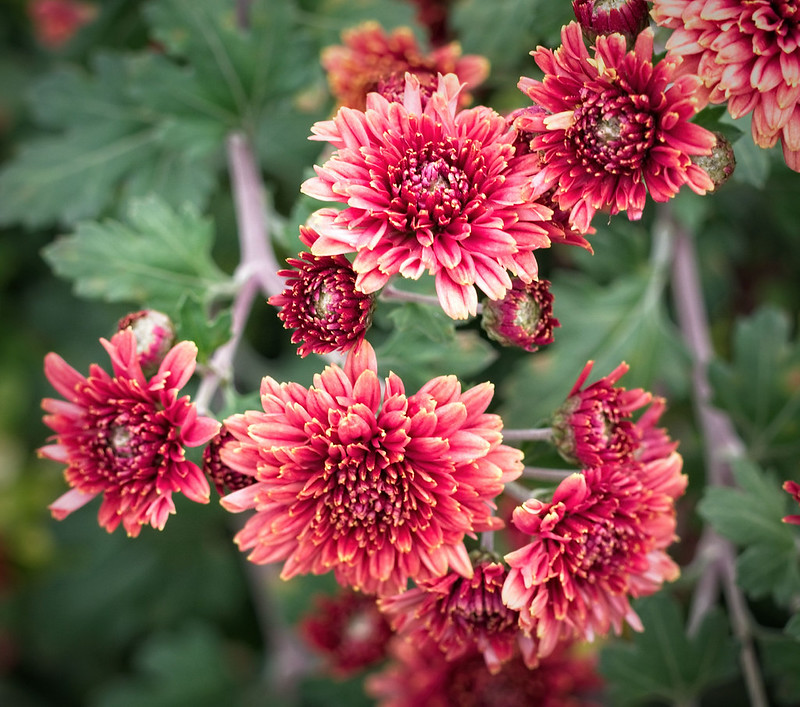
- ‘Spray’ chrysanthemums form a number of flowers on one stem.
Where to Plant Them
- Choose a sunny, sheltered position with fertile, well-drained soil. The spot needs to be sunny in all seasons, so note that a spot in full sun in July may not be sunny in November.
- They prefer not to sit in wet during the winter or dry out in the summer. A good feed of organic fertiliser in spring and a mulch layer to retain moisture will help the Chrysanthemum thrive for the rest of the year.
- Chrysanthemums can be grown in pots or garden borders. They grow well with ornamental grasses because of their contrast in shape and form, and ornamental grasses are at their best in autumn too. Other late season perennials such as Dahlias or Salvias also combine well with Chrysanthemums.
Pests and Diseases
- The biggest pest to Chrysanthemums is slugs and snails, so inspect your plants regularly and remove by hand.
- Another common disease is white rust, a fungal disease that may appear in late summer or autumn. The surfaces of leaves are covered in sunken light brown spots and the undersides with off-white pustules. Quickly remove and burn or bin any infected leaves.
Planting
- Pot on rooted cuttings and small plants bought from garden centres into individual 10cm pots in mid spring and then pot on again when their roots have filled their growing space.
- In 2-3 weeks, the plants should have more than doubled in size, this is when you want to pinch out. ‘Pinching out’ means cutting the top of the plant off, just above a leaf node. You’ll reduce the height by one third to a half, leaving perhaps only 4 or 5 leaves below the cut. This technique encourages side shoot which will give you bushier, sturdier plant, along with more flowers.
- You can buy or plant out established young plants in early to mid-summer. Before planting out into your garden, harden your plants off by putting them outside for a couple of hours a day, gradually extending the time outside over about a week.
Plant Care
- Taller cultivars, can be flattened by strong winds, so remember to stake them. Shorter types are usually fine left without stakes, especially if they are supported by the plants around them.
- Once the plant has finished flowering in late autumn, cut the whole plant down to 20cm from the base.
- If you live in an area that has very harsh winters, it is best to lift your chrysanthemums. Cut them back and dig them up, trim the roots a little and plant them in a pot. Keep the pots in a cool but light place.
Types and Varieties to Consider
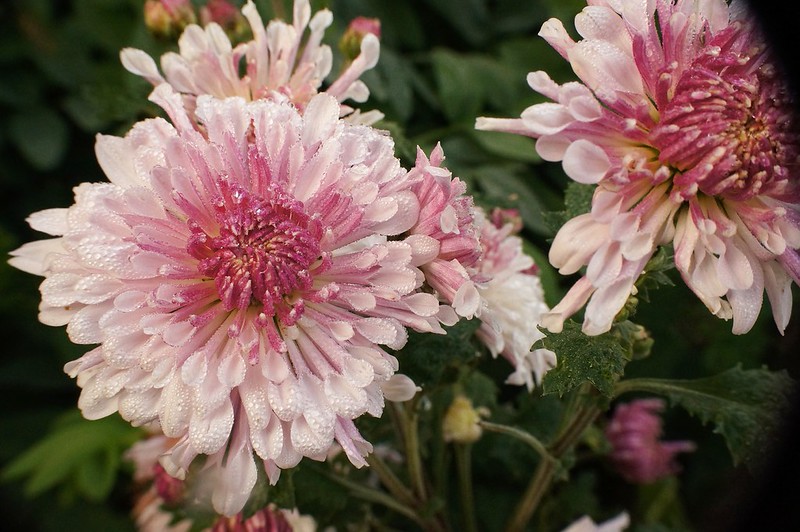
- Chrysanthemum ‘Emperor of china’: known for its silvery-pink, double flowers with quilled petals and a two-toned effect from the purplish-pink undersides of the petals. It is a classic, old cultivar that blooms in late summer and autumn, and its foliage turns a rich ruby red after the first frost, providing a stunning contrast with the flowers.
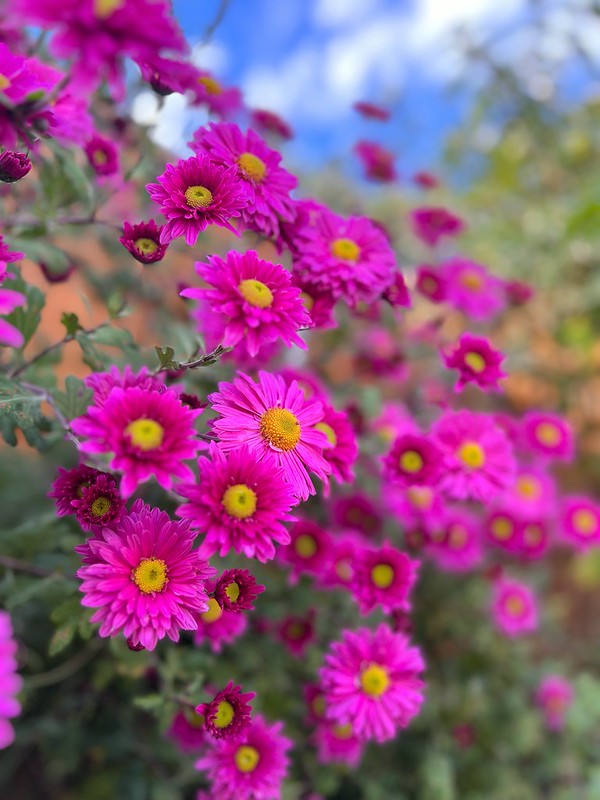
- Chrysanthemum ‘Dulwich Pink’: has bright pink, single flowers with yellow centres produced in mid to late autumn.
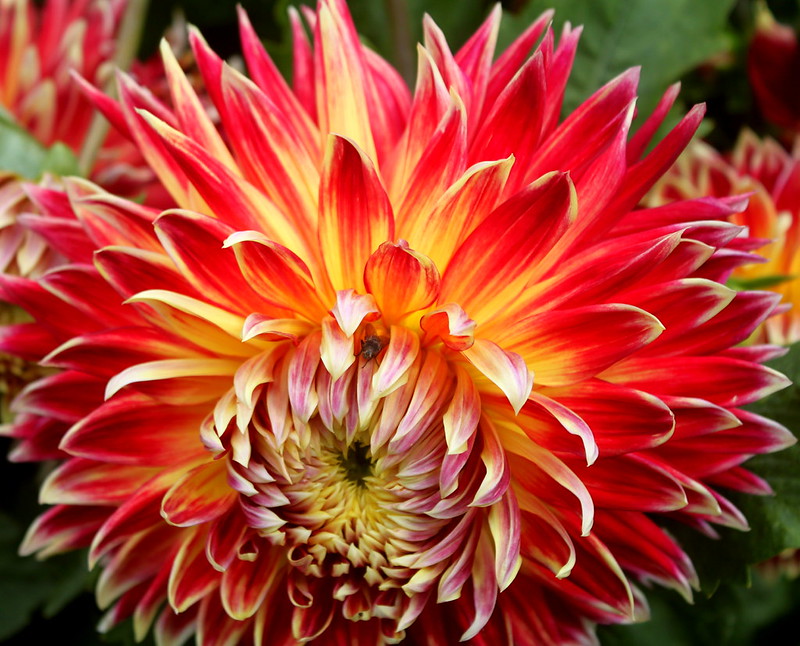
- Chrysanthemum ‘Burnt Orange’: A really distinctive variety, the petals are quilled with a slightly broader tip. The shafts of each petal are red with the exposed upper surface at the tip a bright yellow.
- Chrysanthemum ‘Apollo’: This old variety has beautiful, burnished orange-bronze double flowers from October to December. A neat form, which doesn’t get too big.
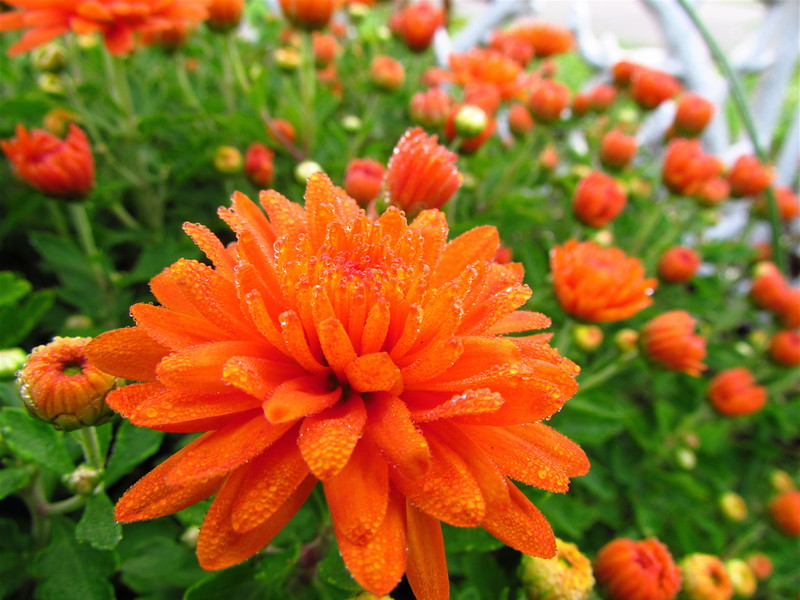
- Chrysanthemum ‘Dixter orange’: Selected by the late great Christopher Lloyd of Great Dixter, this variety flowers earlier than most Chrysanthemums but then continues with masses of bright double orange pom-poms right through to the end of November.
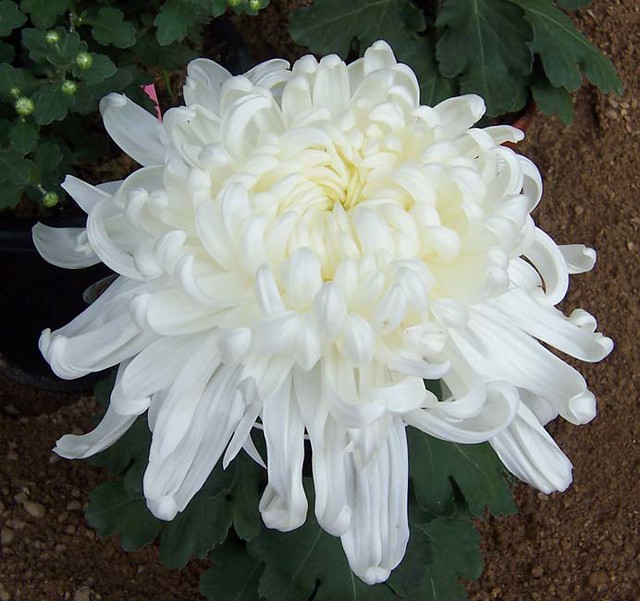
- Chrysanthemum ‘Purleigh white’: Pale pink buds open to white pom-poms which age to a lovely pale pink. A lemon eye completes the flower. A really lovely, bushy Chrysanthemum which doesn’t require staking.
From planning a new border to a complete garden remodel, we pride ourselves on transforming ideas into beautiful reality, with minimum disruption. If you’re based in or around the Reading and Newbury area, we’d love to meet and discuss your project in detail – book your free no-obligation garden consultation today.
Image Credits
Pink Chrysanthemum; Salmon Pink Chrysanthemum; Red/yellow Chrysanthemum; Orange Chrysanthemum; White Chrysanthemum; Light Pink Chrysanthemum; Pink and yellow Chrysanthemum