
Design Mistakes and How to Avoid Them
Learn from Katie, our Garden Designer, about the most common garden design mistakes and how to avoid them.

It is easy to make mistakes when planning a garden. Here, I’ve listed 10 common design mistakes and how to avoid them. The photos of ALDA gardens show examples of how not to make the mistake! For peace of mind, consider hiring a professional garden designer and rest in the knowledge that they will be able to make the very best of your space and help you create the garden of your dreams.
1. Putting Everything Along the Boundary
- It can be tempting to just have a large area of lawn in the centre of the garden with all the planting, seating and features around the edge, to make a garden feel bigger. But in fact the opposite is true and for many gardens this approach does not make the most of the space available or create an inviting feel.
- Boundary fences and hedges create strong vertical features that draw the eye. By adding layers of planting, paths that disappear from view and patios and seating areas between you and the verticals, you can make the boundary feel further away.
- Placing focal points away from the boundary helps draw the eye away and create interest even in a small space.
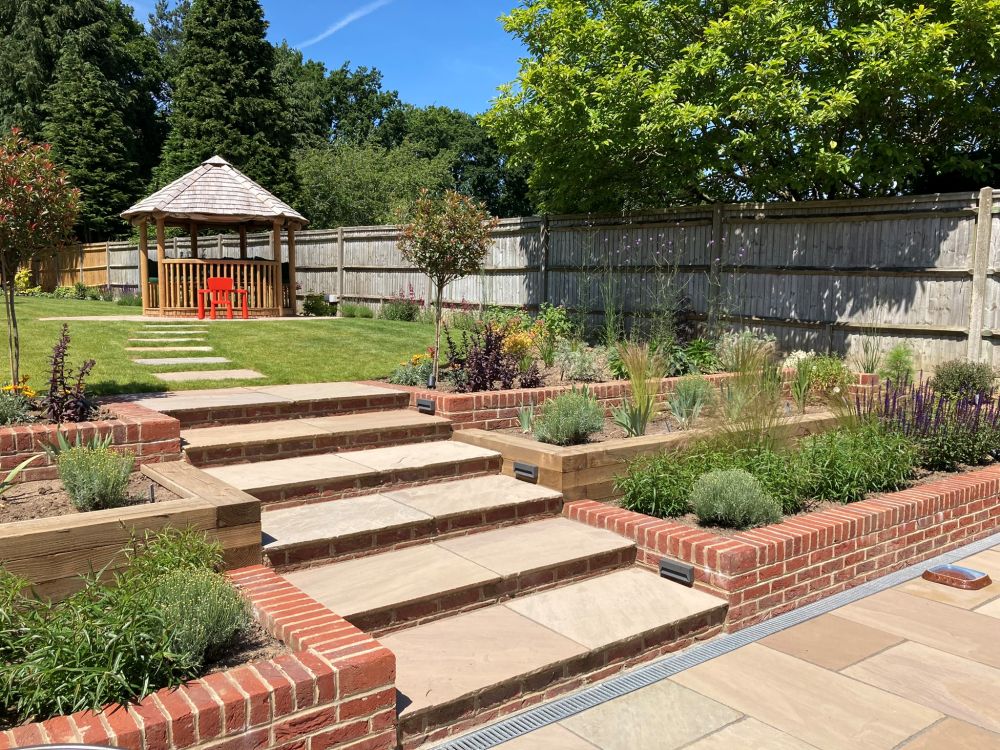
Right: Here the focal point of the terraced planting and stepping stone path to the gazebo draws attention away from the boundary fence.
2. Putting the Seating Close to the House
- Placing a patio directly outside of the house can work, but it is not always the best place.
- Consider the position of your garden and where you would like to sit. For example, most people want the patio in the sunniest spot, but if the sun only catches the back of the house in the morning you may want to place the patio further into the garden.
- I like to add more than one seating area into my designs. Even if the main patio is close to the house a secondary, often smaller patio or seating space encourages clients to use the whole garden and creates a different view.
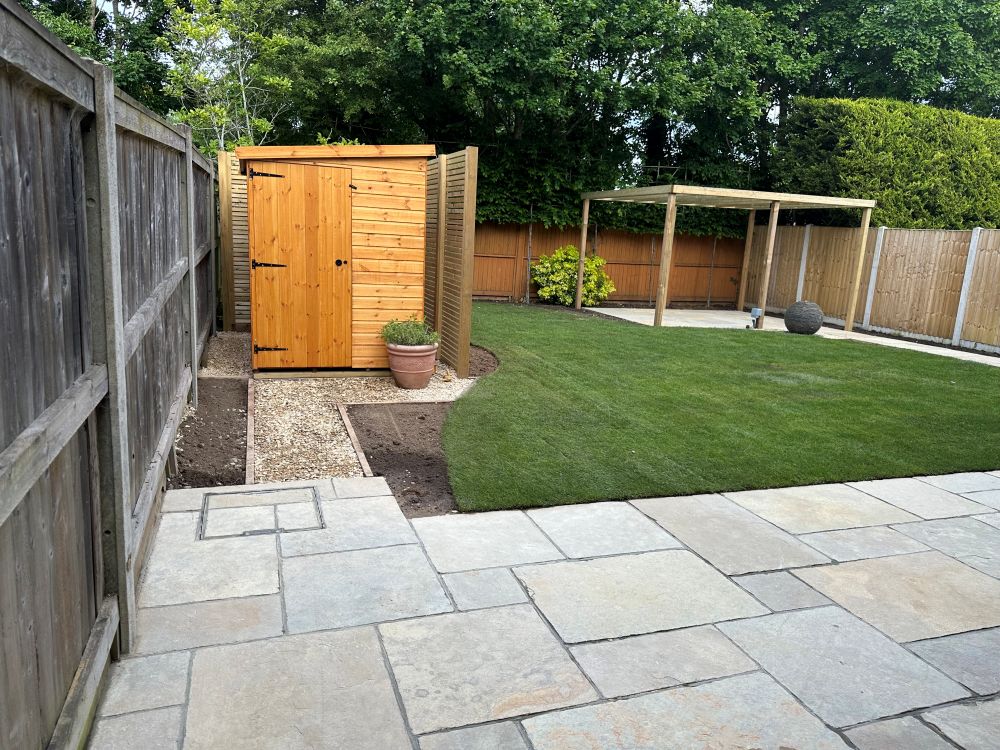
Left: .The pergola in the back right corner was placed to catch the evening sun.
3. Not Planning the Planting
- I often describe the planting in a design, like the icing on a cake. The hard landscaping and layout of your new garden can be perfect, but the planting can really make these elements shine if well planned.
- A lot of money and time can be wasted if planting is done ad hoc or plants are bought on a whim when they look their best in the garden centre.
- Without a plan, you risk the wrong plants in the wrong place, with them struggling to survive or getting far too big.
- The seasons need to also be considered when it comes to planting, you don’t want your garden looking beautiful between June and July and then empty and bare for the rest of year.
- The best planting schemes take the succession planting approach, where, as one plant fades another is taking over. This gives interest throughout the year and creates planting focal points throughout the seasons.
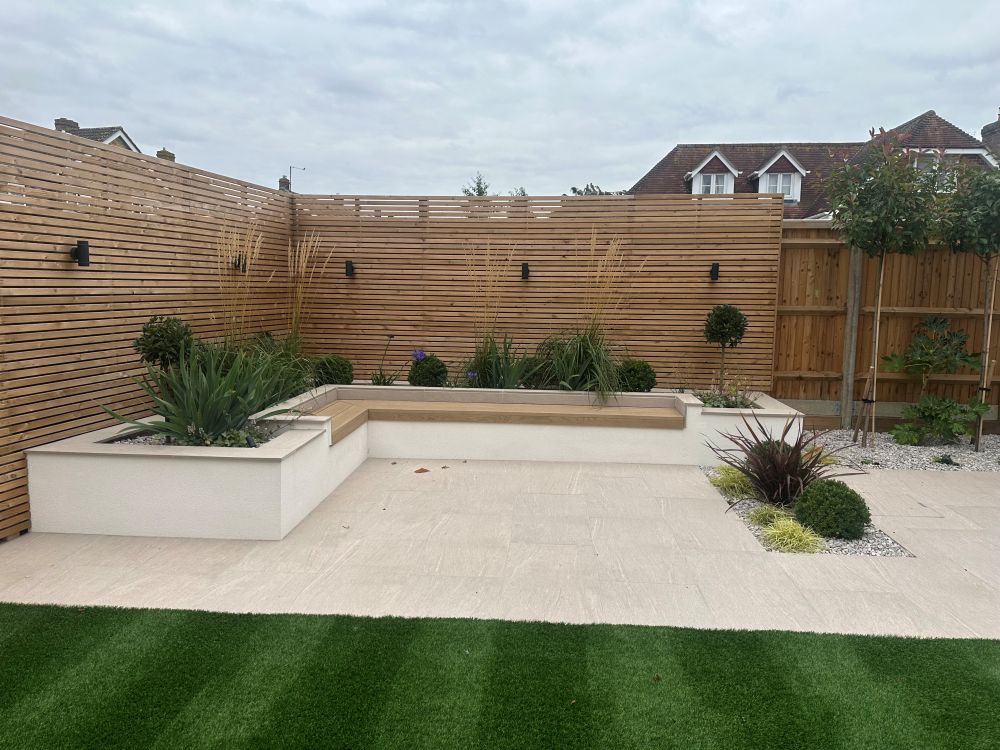
Right: Carefully designed minimalist planting, really elevates this contemporary garden.
4. Separating House From Garden
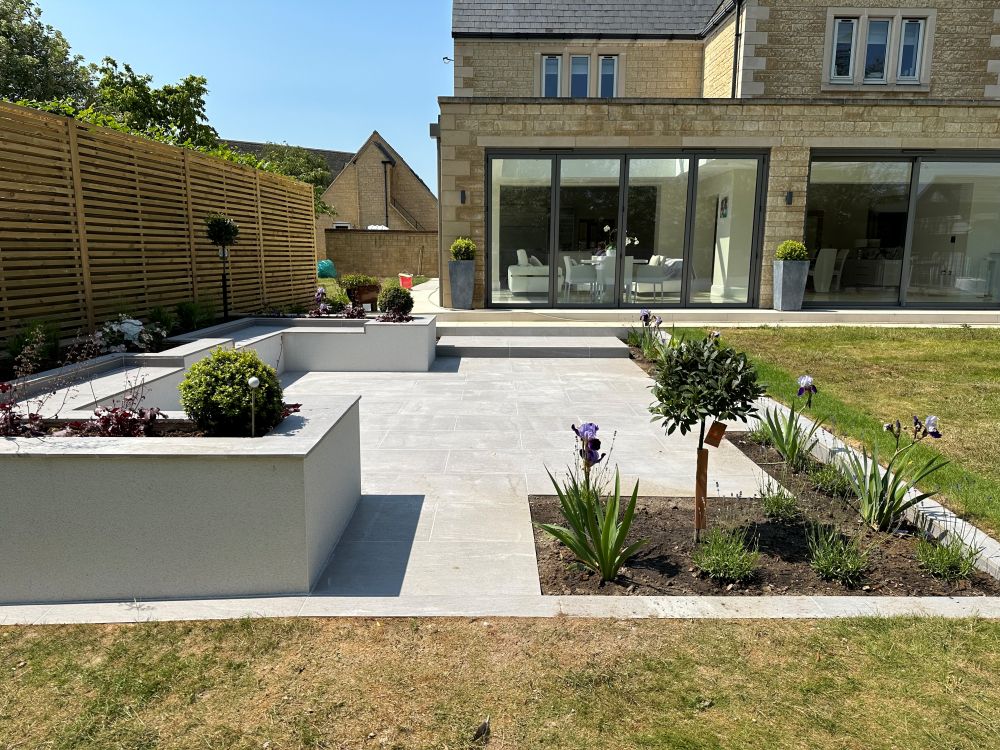
- The garden is an extension of the house and therefore the design should link the house and garden together. When designing, I will take note of the style of the house, colour of the windows and doors and material of the building.
- Choosing materials that complement the house will give cohesion. It is also worth considering the style and décor inside your home when planning the garden.
Left: This garden is designed to flow and link directly from the inside of the house. This works really well when the bi-fold doors are open.
5. Getting the Proportions Wrong
- Proportions are key to a successful design. Start with how you want to use the garden, is it for play, entertaining or relaxing?
- If your patio isn’t big enough that you can comfortably move around the furniture, then it becomes awkward and uninviting. On the other hand, if the patio is too large it can feel vast and out of proportion to the rest of the garden.
- In the same instance adding lots of small features and overcrowding the space can make the garden feel busy and incohesive.
- Consider larger focal points such as larger shrubs and trees instead of lots of low-level planting.
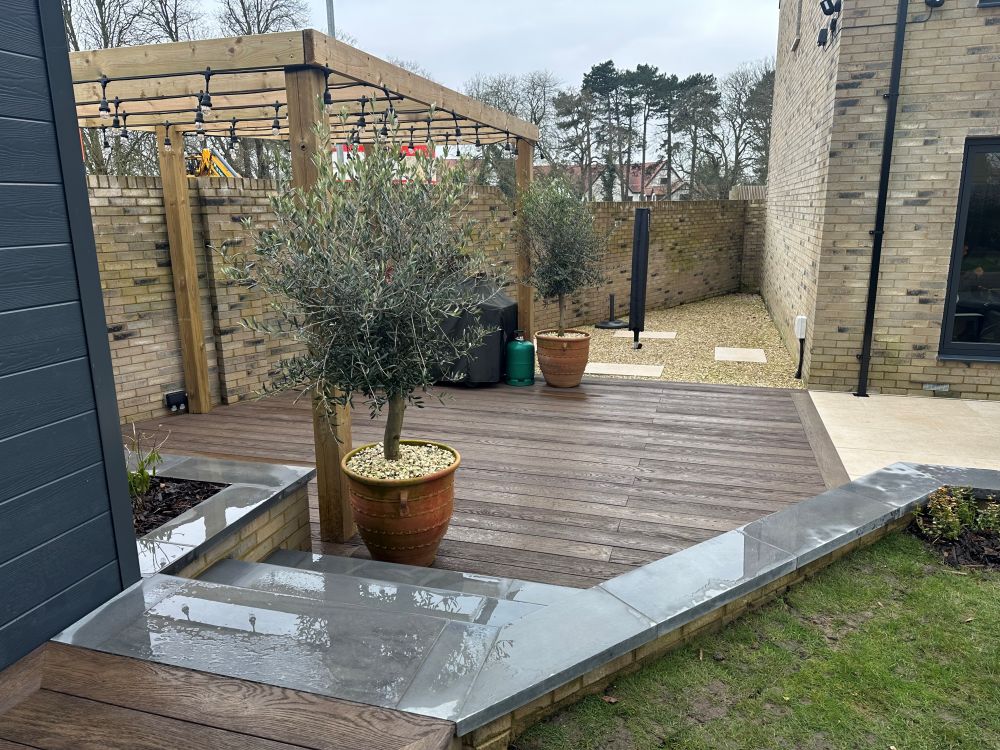
Right: This patio has lots of space and seating options and the proportions balance well with the house and garden. The pergola gives height and a beautiful focal point as the climbers grow.

6. Style over Functionality
- Functionality should be a priority within a design. A large, manicured lawn may seem like a lovely feature in a garden but if you do not have the time for maintenance than it would be impractical.
- The same can be said for water features, a large pond or waterfall feature may seem appealing, but they take time to maintain. It is a good idea to consider how you use your space and how much time you have to maintain it.
Left: This design is practical as well as stylish as the side area gives space for hanging out washing out of view of the house.
7. Getting from A-B as Quickly as Possible
- A straight path from the house to the back of the garden may be the fastest, easiest route through the garden, but it doesn’t create a sense of journey or allow you to experience the space.
- Breaking up the path with planting, pause points or features helps to create a sense of intrigue and exploration.
- This can be created in any size space using both linear and circuitous routes depending on the style you want to achieve.
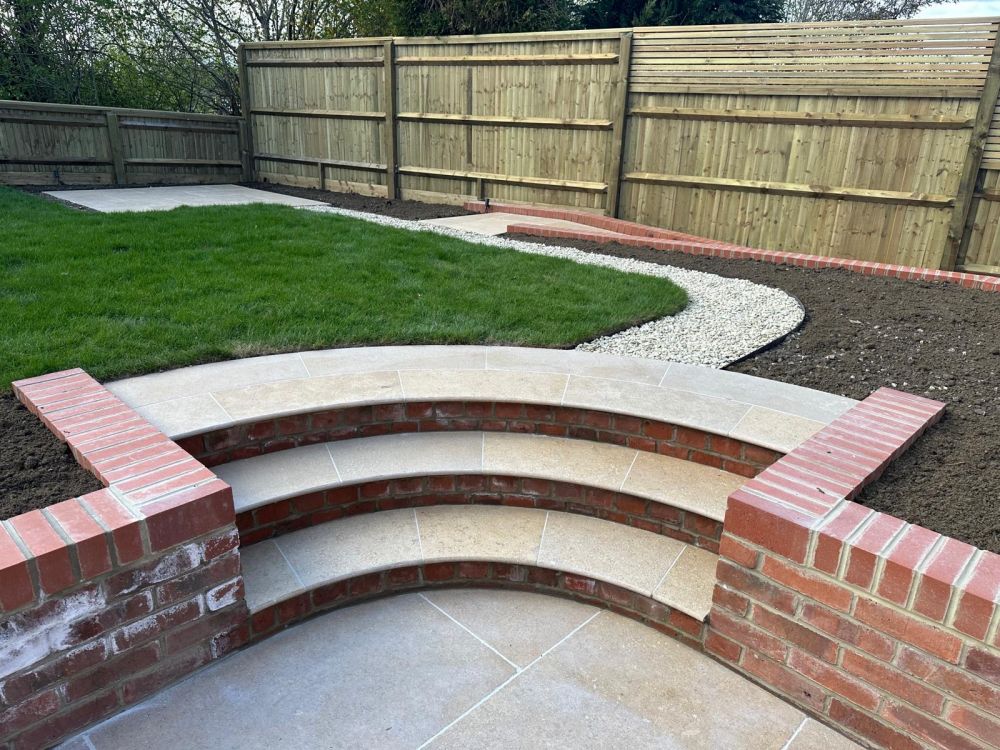
Right: As well as the sloped side path, this garden has an indirect curved path to the back patio. The different paths bring interest and a sense of journey to the garden.
8. Not Considering your Surroundings
- When designing a garden, as well as looking at the interaction between indoor and outdoor, I also consider the view beyond.
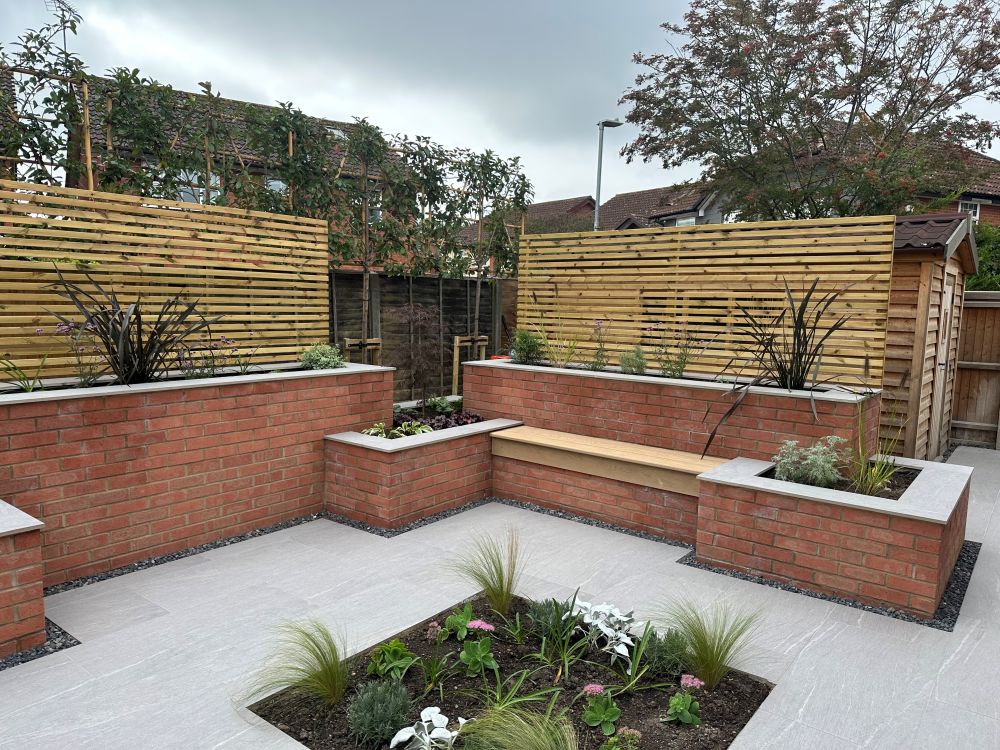
- Privacy is important to most people when designing their space, so overlooking windows and outbuildings are taken into consideration and appropriate screening can be added.
- Neighbouring trees also affect the amount of light your garden receives, so this needs to be remembered when planning your planting.
- A design can be enhanced by framing a view or drawing focus to a feature such as a tree beyond your boundary.
Left: Tall pleached hedging has been added to this garden boundary, When grown it will completely block out the view of surrounding houses.
9. Not Considering the Garden is Outside
- Gardens are living, evolving spaces and therefore will change over time. Light changes throughout the day, plants change from season to season and they grow over the years.
- It is important to remember that your garden will not stay exactly as it looks at installation and how you use the garden may change over time.
Right: Changing seasons and colours can really change how your garden looks.

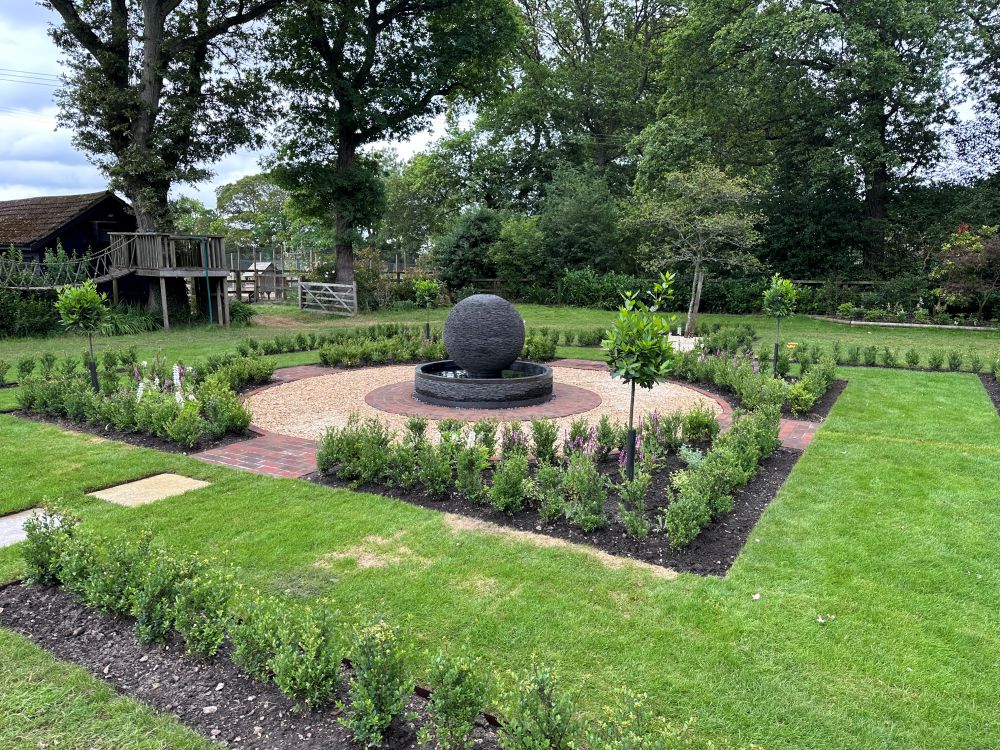
10. Not Using a Garden Designer
- Finally – hiring a professional garden designer means that you will be provided with valuable expertise and guidance to ensure you get the garden of your dreams.
Left: A professional garden designer can make sure you achieve the result you want.
From planning a new border to a complete garden remodel, we pride ourselves on transforming ideas into beautiful reality, with minimum disruption. If you’re based in or around the Reading and Newbury area, we’d love to meet and discuss your project in detail – book your free no-obligation garden consultation today.