
April Plant of the Month: Chaenomeles
Chaenomeles are wonderful eye catching early spring flowering shrubs. They're also easy to grow and low maintenance - what's not to love?

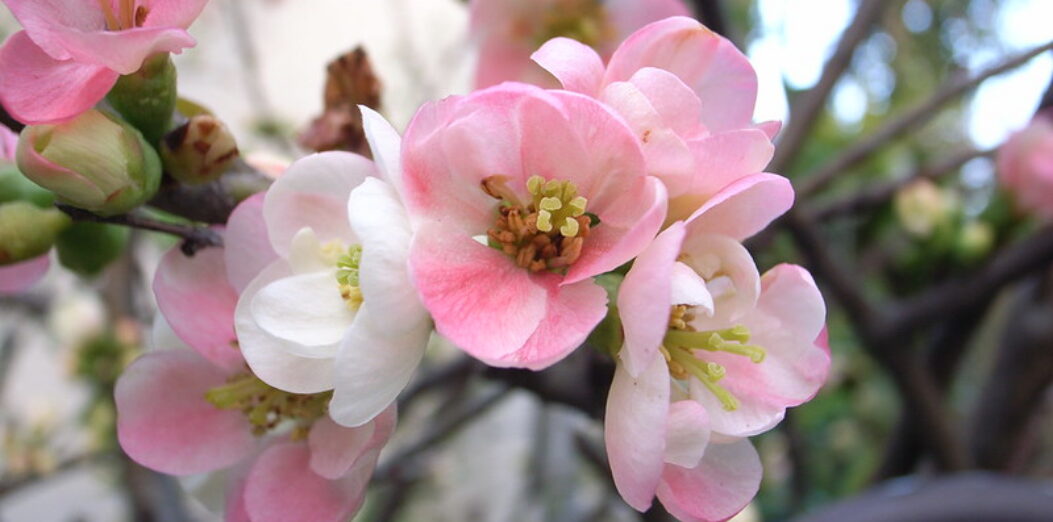
The dainty flowers of Chaenomeles, also known as the Japanese quince, flowering quince or Japonica, are a welcome sight in the early spring months. Originating from China and Japan they are reliable and easy-going shrubs that require little maintenance.
Appearance
- Chaenomeles is a genus of three species of deciduous, usually thorny shrubs. Their flowers appear along leafless stems before the relatively small mid-green leaves appear.
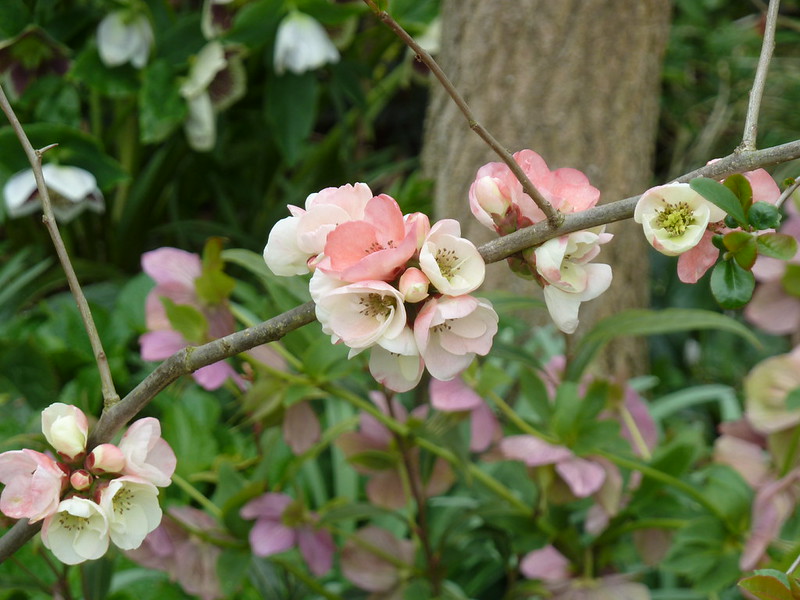
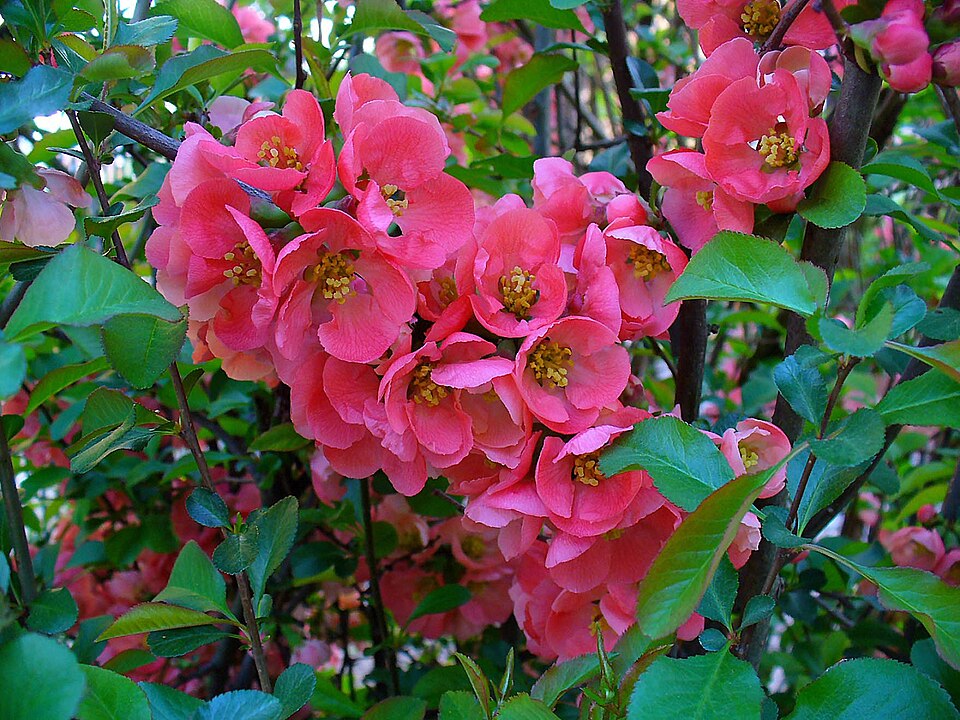
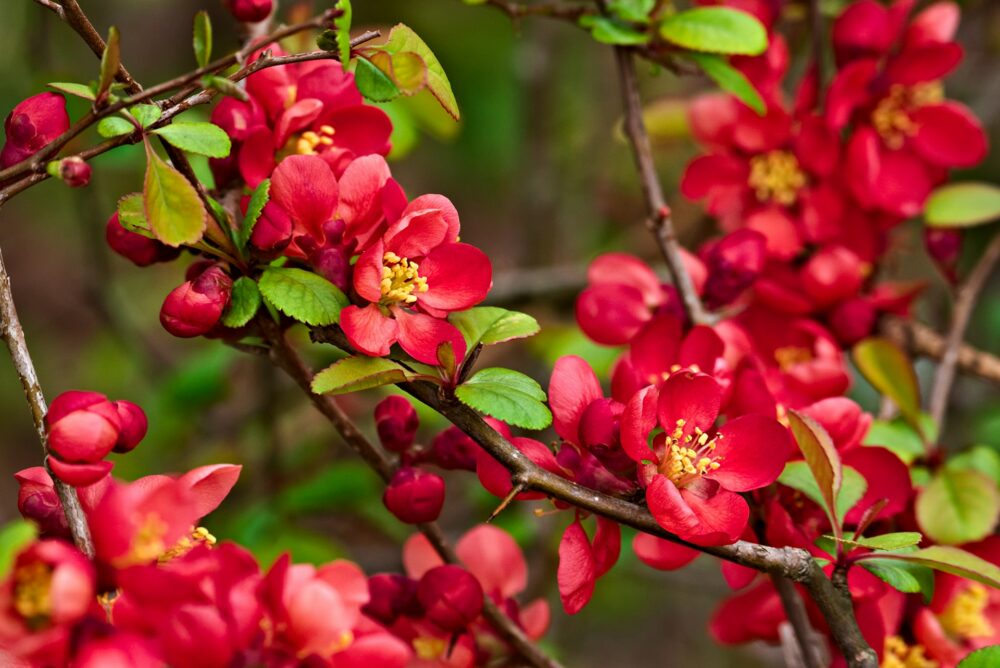
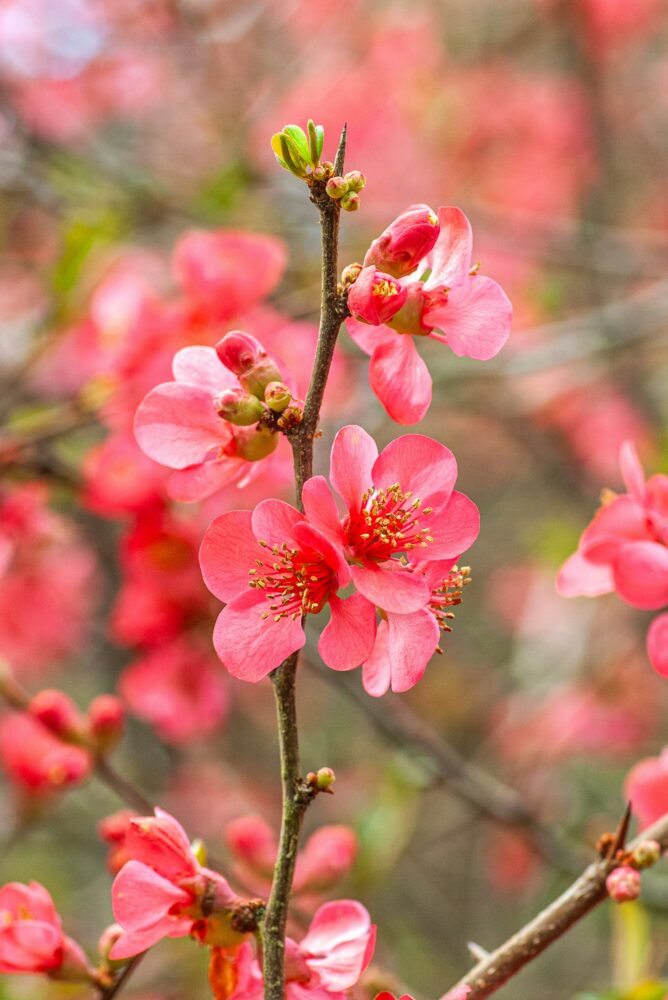
- The flowers come in a range of white, lime green, peach, pink, orange and red. The pretty, cup-shaped flowers can be single or double and last for an impressive three to four weeks.
- The main show of flowers takes place between March and May, with the bonus of occasional repeat-flowering during summer.
- After the flowers have faded, decorative and often aromatic fruits appear. They are green or yellow, sometimes flushed pink, and resemble apples or pears. But do not be tempted to eat them raw, since they are incredibly bitter! The fruits contain high levels of beneficial antioxidants and high levels of pectin, making them perfect for preserves.
Where to Plant Them
- Position in full sun or dappled shade for the best flowers and fruit, in any neutral to acid soil, but avoid heavily alkaline or waterlogged soil.
- Chaenomeles are incredibly hardy, coping with temperatures to -20°C. Due to their slightly floppy habit, many varieties require tying into a support and so are great to grow against a wall or fence, making them a good choice for tight spaces.
- Not all require support; Japonica hybrids tend to be shrubbier and require less assistance.
- They really need to have light and air throughout the year, so give them room at the back of the border for gorgeous colour in spring and ornamental fruit in autumn, plus a valuable green backdrop during the summer.
Pests and Diseases
- Chaenomeles suffer from very few pests and diseases, but as a member of the rose family, they share some of the same problems.
- Soft, young growth may attract aphids in early spring, and black spot might appear, but this tends to be when the leaves are turning yellow in autumn, if at all.
Plant Care
- Give plants in the ground an annual mulch. Feed plants in containers a high potassium/phosphorus feed in spring followed by a general-purpose feed at half strength every three weeks.
- Prune during the leafless, dormant season between December and February to take out dead wood, control the shape or encourage blooming. Only wood over a year old will produce flowers, so remove some softer growth to encourage blooms further down the stem.
Varieties to Consider
- Chaenomeles ‘Moerloosei’: sometimes sold as ‘Apple Blossom’, which well describes the pink-and-white flowers. An old, reliable cultivar.
- Chaenomeles speciosa ‘Geisha Girl’: a variety with eye-catching double, salmon pink flowers.
- Chaenomeles japonica ‘Cido’: produces a large crop of fruit with a lemon flavour. It has small orange-red flowers and slightly pendulous stems.
- Chaenomeles speciosa ‘Scarlet Storm’: thornless and non-fruiting variety. Bears crimson rose-like double flowers and are generally taller and therefore useful as hedging.
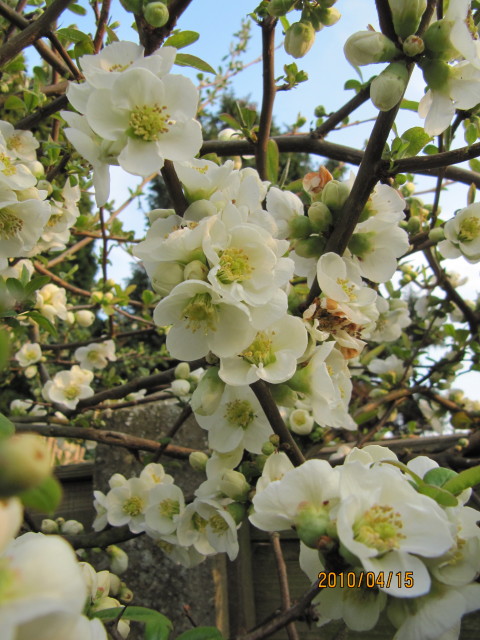
- Chaenomeles speciosa ‘Snow’: has pure white single flowers, a very vigorous growing cultivar that is completely self-supporting.
From planning a new border to a complete garden remodel, we pride ourselves on transforming ideas into beautiful reality, with minimum disruption. If you’re based in or around the Reading and Newbury area, we’d love to meet and discuss your project in detail – book your free no-obligation garden consultation today.
Image Credits
Chaenomeles ‘Moerloosei’; Chaenomeles speciosa; Chaenomeles speciosa ‘Nivalis’