
Incorporating Easy Edibles Into Your Garden
Adding edibles into your ornamental garden is a great way of enjoying fruit, veg and herbs. Many edible plants are attractive as well as productive and will attract more pollinators and wildlife when woven into the flower border.

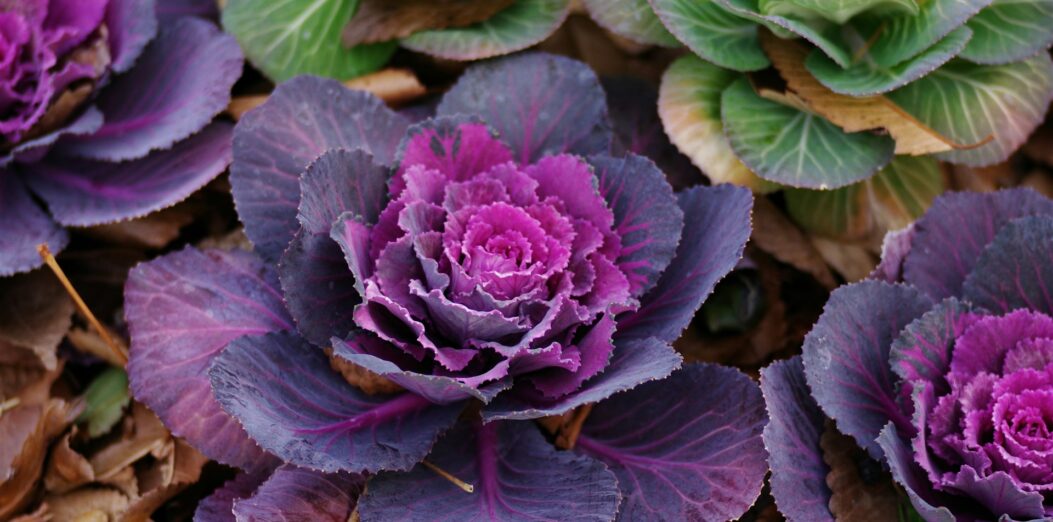
Whether you have a sprawling plot or a modest patio, weaving edibles into your garden design can transform your space into something both beautiful and bountiful. A garden that feeds you can also feed pollinators and a thriving ecosystem means better harvests and a healthier garden overall. The biggest shift is thinking of edible plants as design elements rather than only in the vegetable patch. Many fruits, herbs, and vegetables are naturally ornamental, adding colour and texture with the added bonus of being edible.
1. Mix Edibles into Your Flower Borders
- The easiest way to add edibles to your garden is to mix them into your flower borders. Many perennial vegetables and herbs work well woven amongst flowering plants.
- Herbs like thyme, sage, and oregano make excellent edging and take very little maintenance, just lightly prune when you want to use them for cooking.
- Choose coloured edibles such as rainbow chard with its neon stems, purple basil and bronze fennel to add depth.
- Pair purple kale with purple alliums or use silvery sage to complement warm-toned flowers.
- Dwarf tomatoes add height and cheerful colour and are one of the easiest vegetables to grow.
- Perennial Herbs such as rosemary, sage, lavender and oregano add lovely scent along paths. These herbs need pruning once a year.
- Annual edible flowers such as nasturtiums and calendula add bright splashes of colour and can be added to salads. They are easy to grow from seed or you can buy cheap plug plants.
- Any fruiting berry varieties such as blackcurrants, red currents and gooseberries can be planted in a mix border. These just need to be pruned in Autumn for a good crop the following year.
2. Use Containers for Flexibility
- Growing edible plants in pots is a highly effective way to maximise small spaces like balconies, patios, or windowsills and increase your growing space. Many container grown edibles are easy to maintain and grow from plugs or seed.
- Strawberries grow well in containers if regularly watered. This also makes it harder for slugs to eat the fruit before you do.
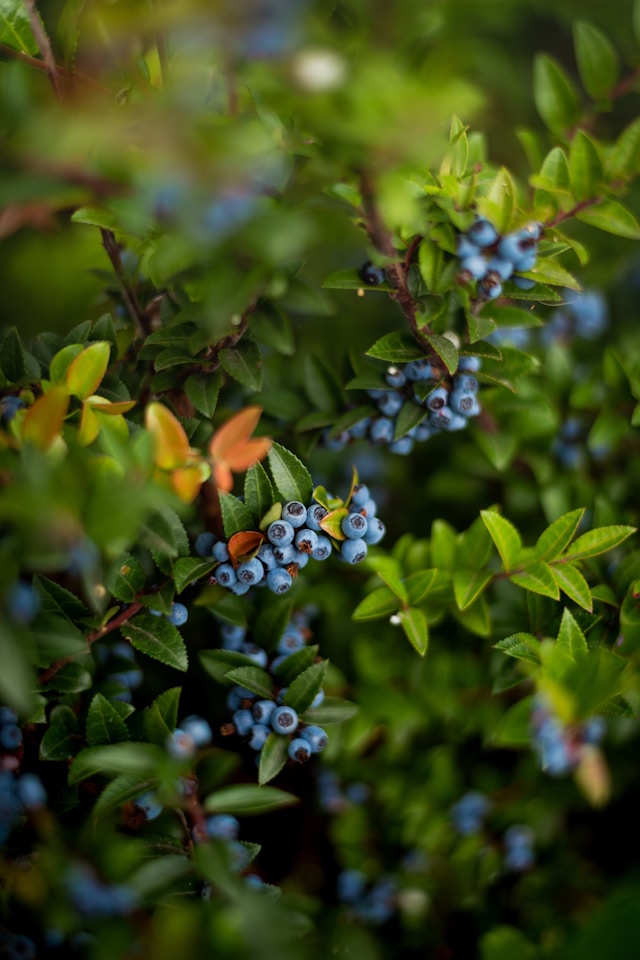
- Blueberries need ericaceous soil, but do well in pots if regularly watered. They offer spring flowers, summer fruit, and fiery autumn foliage.
- You can now buy dwarf varieties of fruit trees like apples, pears and figs, which are great for growing on a sunny patio.
- Chillies and peppers, which thrive in warm, sheltered spots are best grown in a pot, on a windowsill or on a sunny patio.
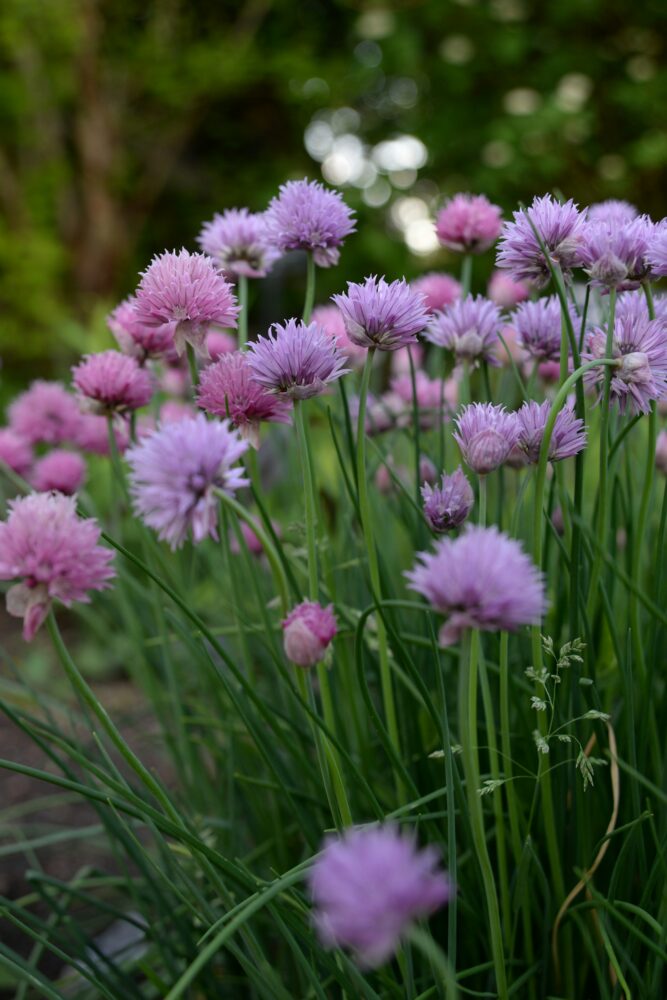
- Lettuce, mixed with violas and chives in a semi shady spot, is a great combination.
3. Add Edibles to your Hardscape
- Blending edible plants into hard landscaping is a great way of incorporating food into your garden design. Many plants provide structure, beauty, and food all together. Weave edibles into patios, paths, walls, and other built features in a way that feels intentional rather than the classic vegetable patch which can feel overwhelming.
- Runner beans, cucumbers or peas can climb trellises or obelisks, adding vertical interest. These climbers are easy to grow, and regular picking of the crops will encourage more.
- Plants that tolerate light foot traffic or spill attractively between slabs such as creeping thyme or chamomile are great planted between paving stones.
- Modular pocket systems for herbs or wall mounted planters for tumbling strawberries make harvesting easy.
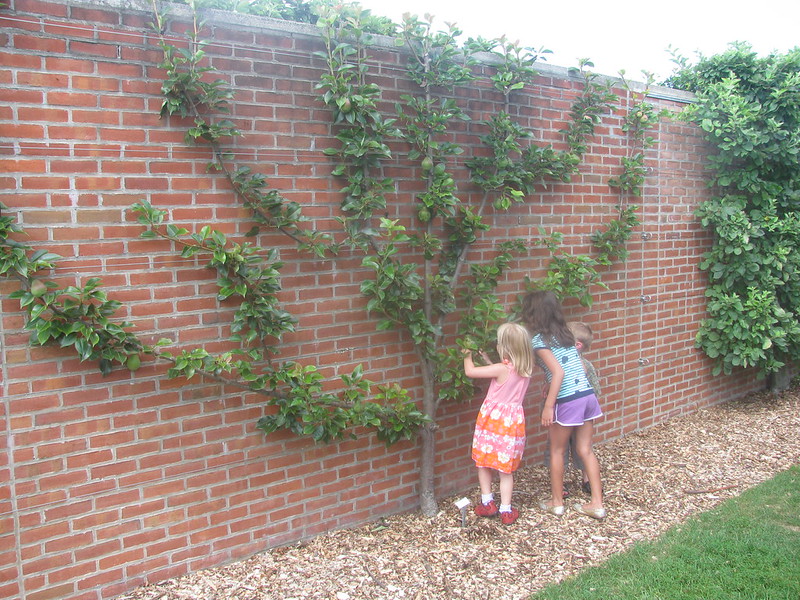
- Use trees as sculptural elements, such as fan-trained fruits against walls, step over apple trees edging a path, or columnar fruit trees flanking an entrance way. Growing in this way also helps fruit production and harvesting much easier. Trees simply need to be pruned back to their framework shape in late winter/early spring.
- Swap ornamental shrubs for edible hedges and screens. Shrubs such as rosemary (aromatic, evergreen, architectural), blackthorn (for sloes), hazelnut (naturalistic and wildlife-friendly) look great as part of a mixed hedge or individually.
- If you have terracing or retaining walls, try tucking herbs into crevices such as thyme, oregano, chives, or alpine strawberries.
4. Think Seasonally
- Stagger your plant choices so something is always happening and you are not overwhelmed with a glut of fruit and veg. Here are some examples of easy edibles to grow in each season:
- Spring: radishes, peas, early lettuces.
- Summer: tomatoes, beans, courgettes, berries.
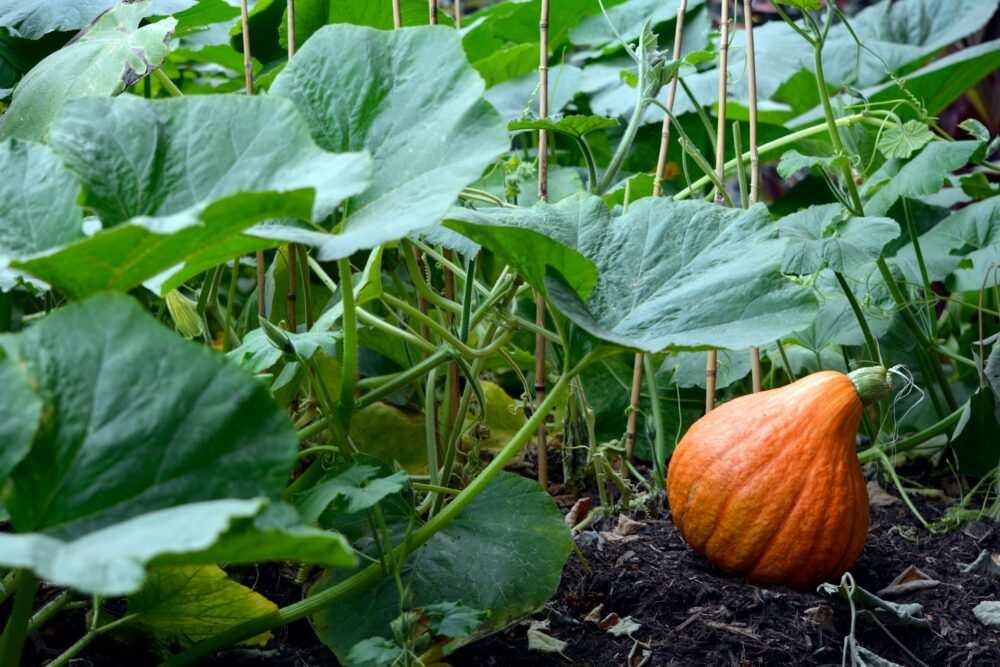
- Autumn: squash, kale, apples.
- Winter: hardy herbs, winter greens, leeks.
Whether you’re growing a handful of herbs or transforming your whole garden, incorporating edible plants is a rewarding way to deepen your connection with your outdoor space.
From planning a new border to a complete garden remodel, we pride ourselves on transforming ideas into beautiful reality, with minimum disruption. If you’re based in or around the Reading and Newbury area, we’d love to meet and discuss your project in detail – book your free no-obligation garden consultation today.
Image Credits