
My Top Plants for Autumn Interest
Let's celebrate autumn! With stunning leaf colours, juicy berries, colourful fruit, flowers and shining grasses. Here are my top nine plants for autumn.

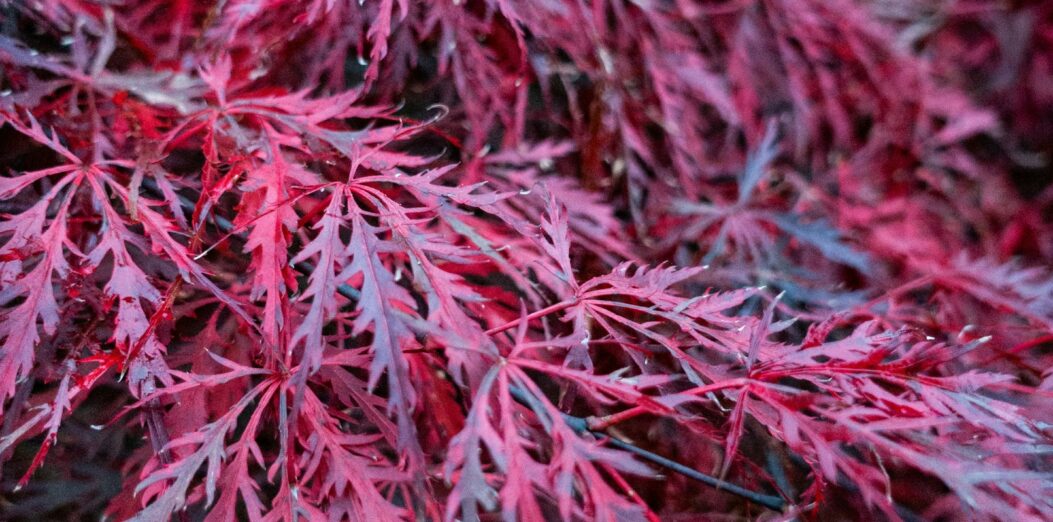
Autumn is such a beautiful time of year, with the warm light on sunny days bringing out glowing reds, oranges and yellows. There are so many plants you can add to your garden to make the most of the beauty that this season brings. Here are my favourites…
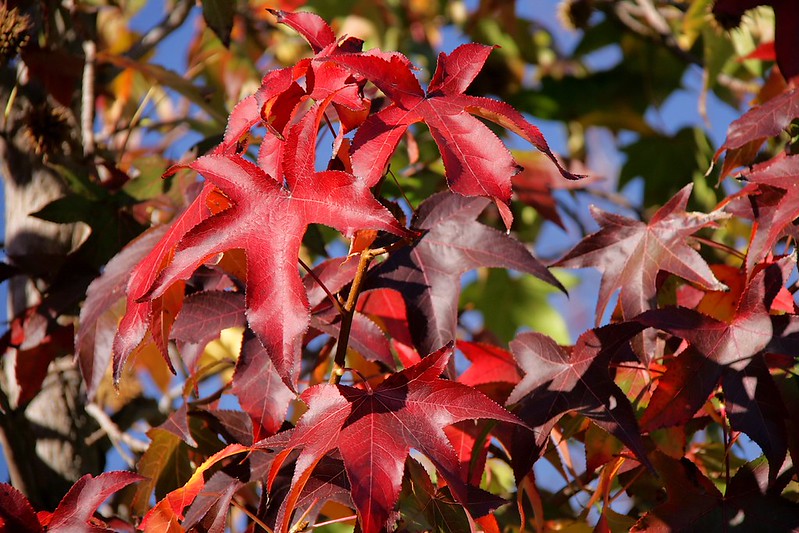
Liquidambar
- Liquidambar is famed for its spectacular autumn foliage and really does have its moment this time of year.
- The star-shaped, maple-like leaves turn brilliant shades of orange, red, and yellow, providing a stunning display that lasts well into autumn.
- This tree can reach heights of over 12 metres when mature, making it a striking focal point in any larger garden.
Right: Liquidambar leaves in autumn
Acer Palmatum
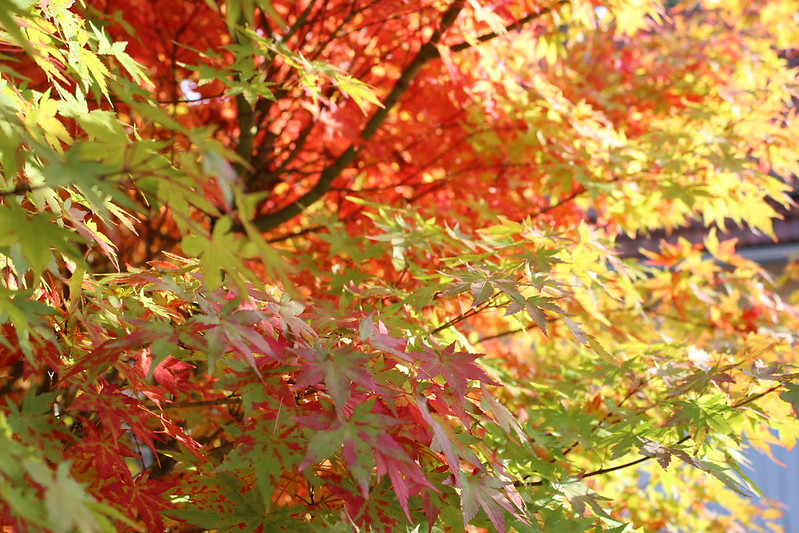
- Japanese Acers are one of the most recognisable trees for a spectacular Autumn display.
- The many different varieties produce stunning autumnal colours, with leaves varying in shades of burnt reds, oranges, and greens.
- Acers are slow growing, making them ideal for containers and small spaces.
- Preferring a sheltered, semi-shaded spot, they are also great for brightening up a shadier garden.
Left: Acer Palmatum
Malus
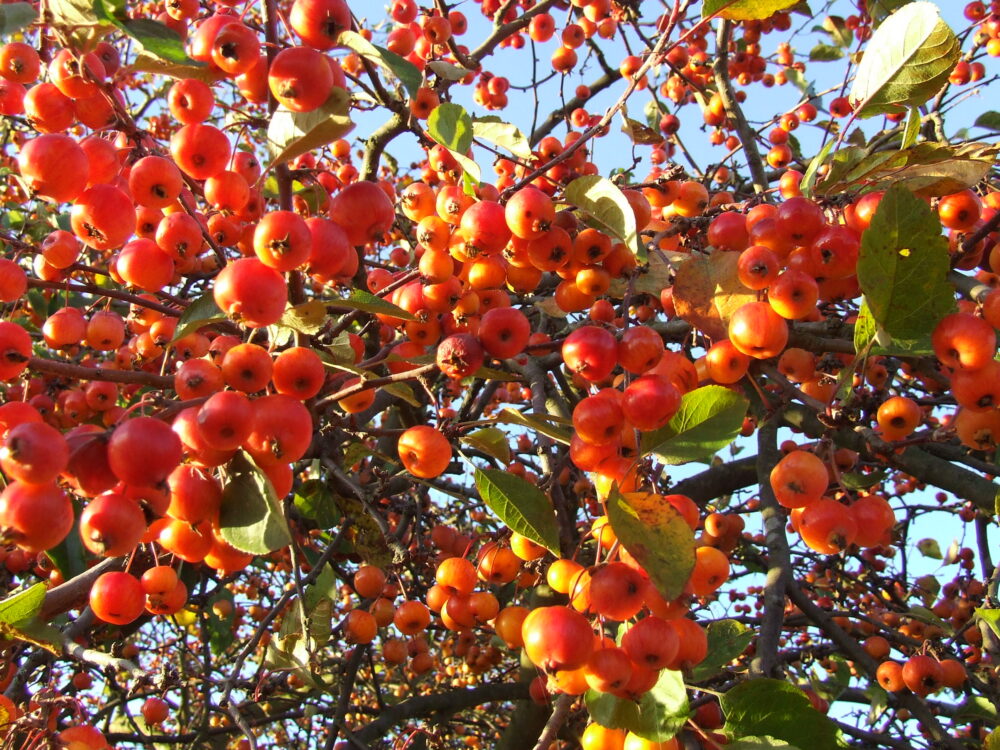
- Malus, in particular, crab apples, are versatile, offering something for every season—delicate pink or white blossoms in spring, lush green foliage in summer, and a vibrant display of colourful fruit in autumn.
- Crab apples are also a valuable source of food for wildlife, making them an excellent addition to any garden focused on biodiversity. Their compact size makes them suitable for smaller gardens, and they also thrive as part of a mixed border.
- Good varieties include: Malus × robusta ‘Red Sentinel’, which is great for wildlife; Malus ‘Evereste’, which has a neat conical shape, white blossom and orange-red fruits; and Malus ‘John Downie’, which is great for jellies.
Right: Malus ‘Evereste’
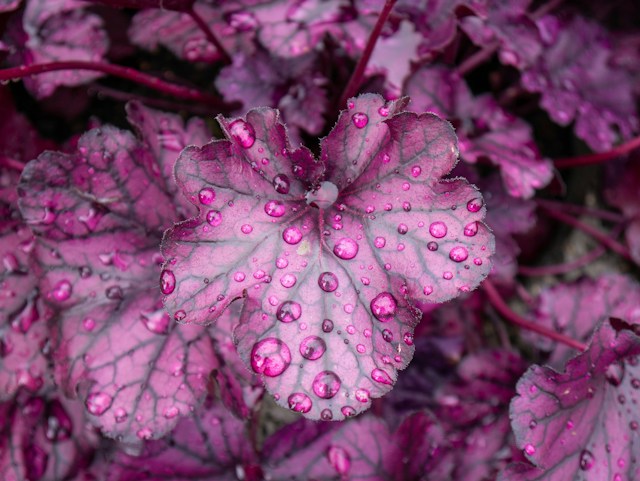
Heucheras
- There are a large variety of heucheras, taking on a range of colours, from deep burgundy and purple to copper, lime green, silver and rich green.
- Many varieties are evergreen or semi-evergreen too, so they can continue providing colour after deciduous plants have lost their leaves.
- They add a real splash of colour when the rest of your herbaceous border is looking a little tired.
- For colour at the front of a border or in a container, heucheras are a great autumn addition.
- Heucheras are particularly useful for creating contrast. Try combining dark-leaved varieties with lighter grasses, or use copper and orange toned varieties alongside other warm autumn colours.
Left: Heuchera
Ornamental Grasses
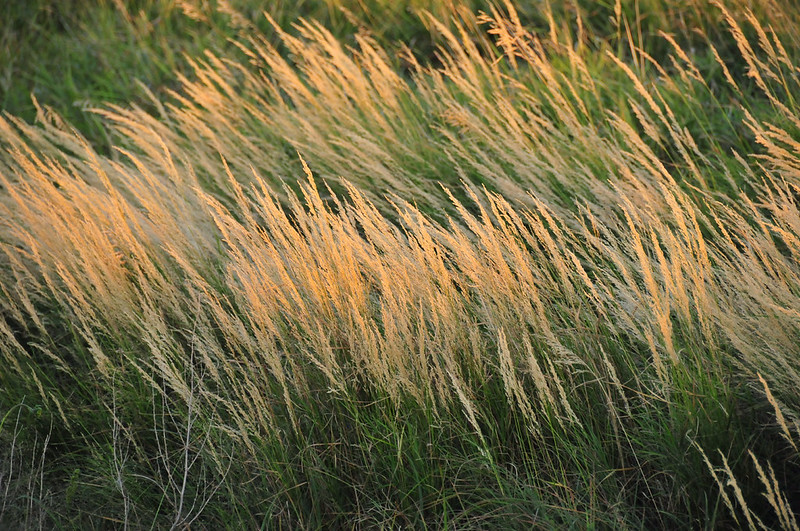
- Ornamental grasses can bring a completely different type of interest to an autumn garden, adding height, movement and texture.
- Their seedheads and plumes catch the autumn light beautifully and can continue providing structure well into winter.
- The leaves and plumes of Miscanthus or Calamagrostis really do shine in the late afternoon sun.
- Evergreen grasses such as Carex, with their variegated leaves add a lovely texture to an autumn border.
Right: Calamagrostis canadensis
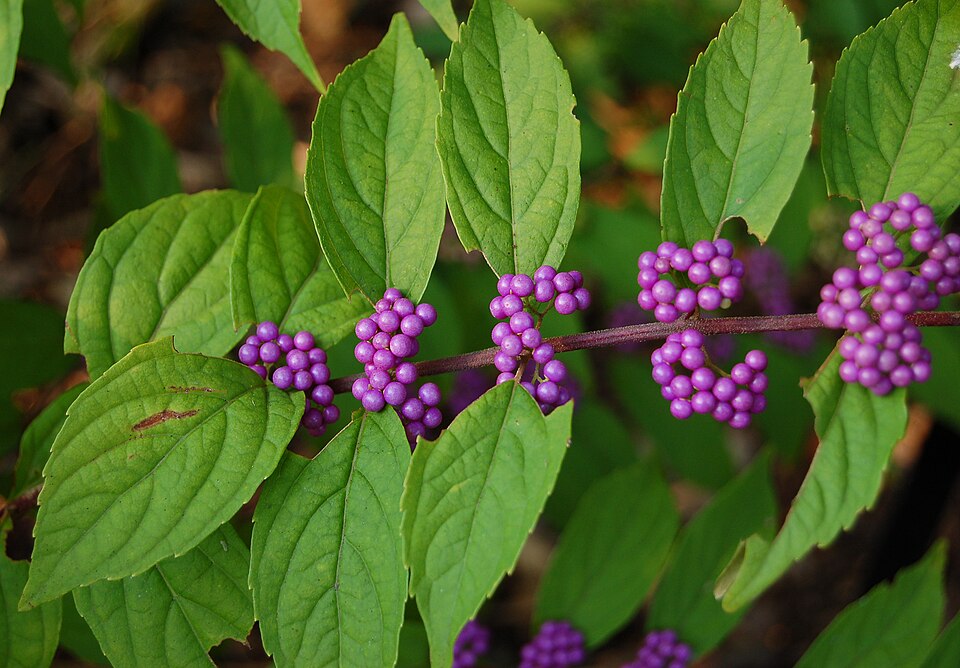
Callicarpa
- Known as the beauty berry, Callicarpa comes into it’s own in autumn, bearing dense clusters of small, jewel-like, purple-blue berries, against bare stems.
- It’s dark green foliage also puts on a good show in autumn, turning gold and red before falling.
- As a medium-sized shrubs, they look good in a mixed border or planted as a specimen near a path or window.
- The bare stems of purple berries make an excellent addition to autumn flower arrangements.
Euonymus
- Many varieties of Euonymus are great for autumn interest.
- Euonymus alatus is a plain green shrub from spring through to late summer. In autumn, the leaves start to flush cerise-red, becoming vivid crimson for several weeks. The foliage effect is truly stunning, especially in an open, sunny position.
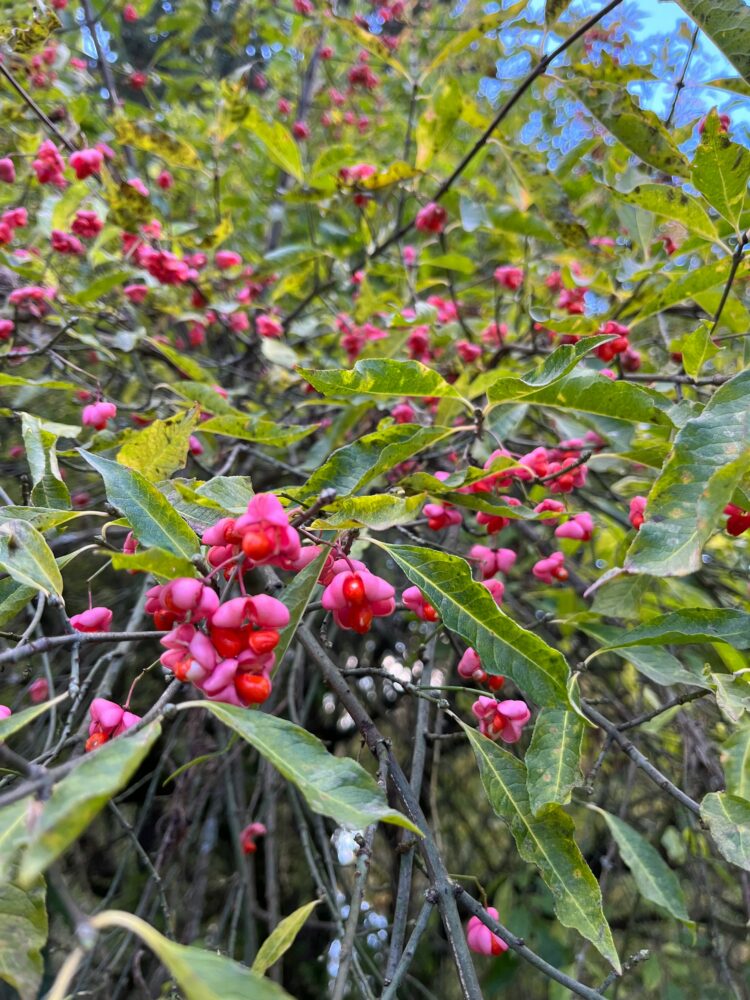
- Euonymus europaeus ‘Red Cascade’ (spindle tree) is a British native. In autumn, the foliage turns a dramatic shade of red, complementing the orange-pink winged fruit, which remain on the tree long after the leaves have fallen. Grow in well-drained soil in full sun to partial shade.
- Evergreen Euonymus are great for filling gaps when deciduous shrubs are losing their leaves. Variegated varieties such as emerald gaiety and silver queen can brighten a border.
Right: Euonymus europaeus ‘Red Cascade’
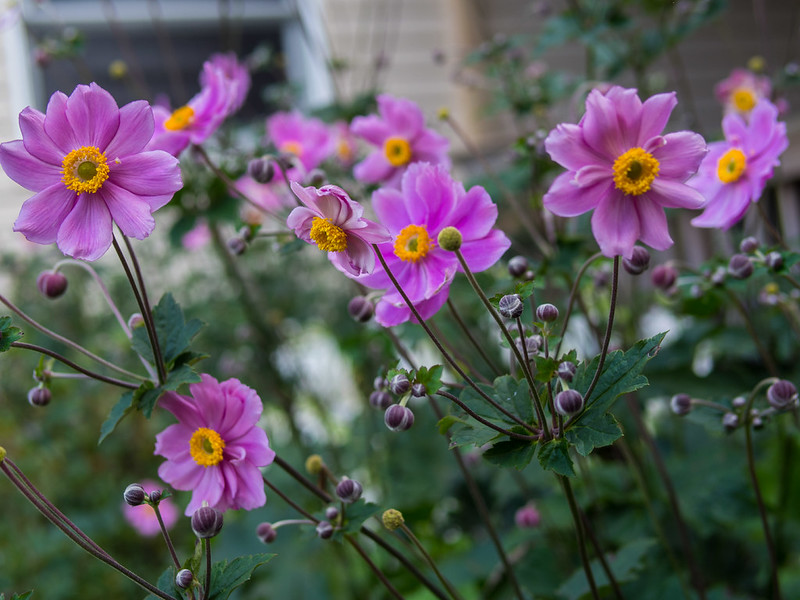
Japanese Anemone
- Anemone x hybrida plants have elegant flowers held on wiry stems, in pink or white.
- The flowers sit high on their stems, often at nearly a metre, which makes them ideal for the back of a border.
- Japanese anemones are great for shadier spots, although they do need some sun to flower well.
- They are relatively fuss free and once established they will happily spread.
Cyclamen
- Seeing a carpet of white or pink dainty flowers in a woodland setting or popping up under a majestic tree is joyous.
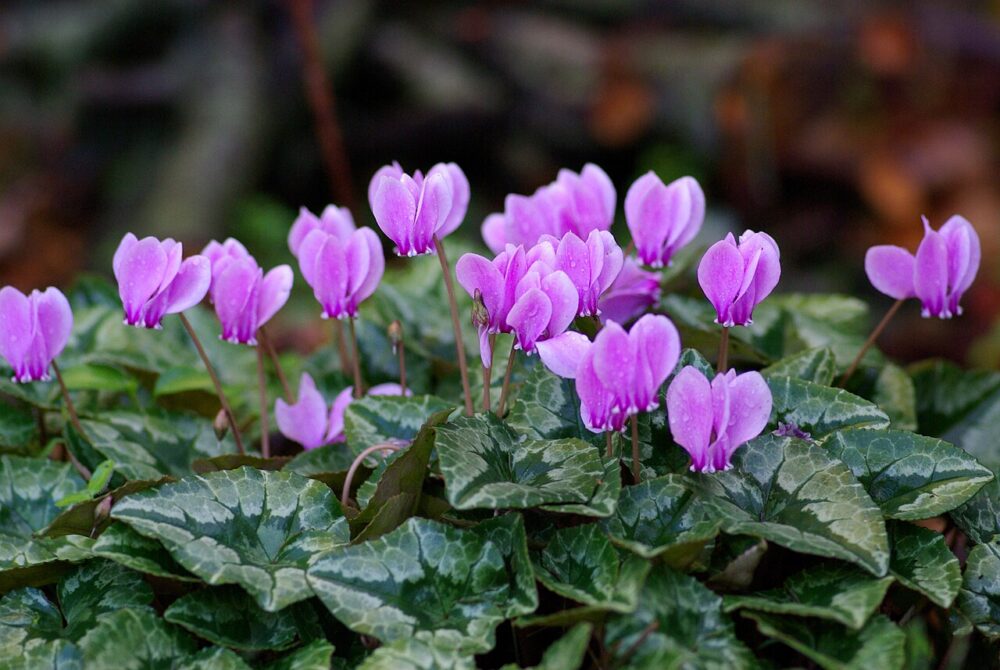
- Cyclamen hederifolium is a hardy autumn flowering species. The large corms will sit almost on the surface of the soil, lying dormant throughout summer until September, when delicate flower heads emerge from the centre of each one.
- Attractively patterned, ivy-like foliage follows to give interest through much of winter.
- They do well in dry shade, so planting them under established trees and shrubs helps brighten often tricky spots in the garden.
Right: Cyclamen Hederifolium
From planning a new border to a complete garden remodel, we pride ourselves on transforming ideas into beautiful reality, with minimum disruption. If you’re based in or around the Reading and Newbury area, we’d love to meet and discuss your project in detail – book your free no-obligation garden consultation today.