
October Plant of the Month: Pittosporum Tenuifolium
Pittosporum tenuifolium are great for adding refined structure to the winter garden. With a variety of colours and sizes to choose from, there's sure to be one to suit your taste and style.

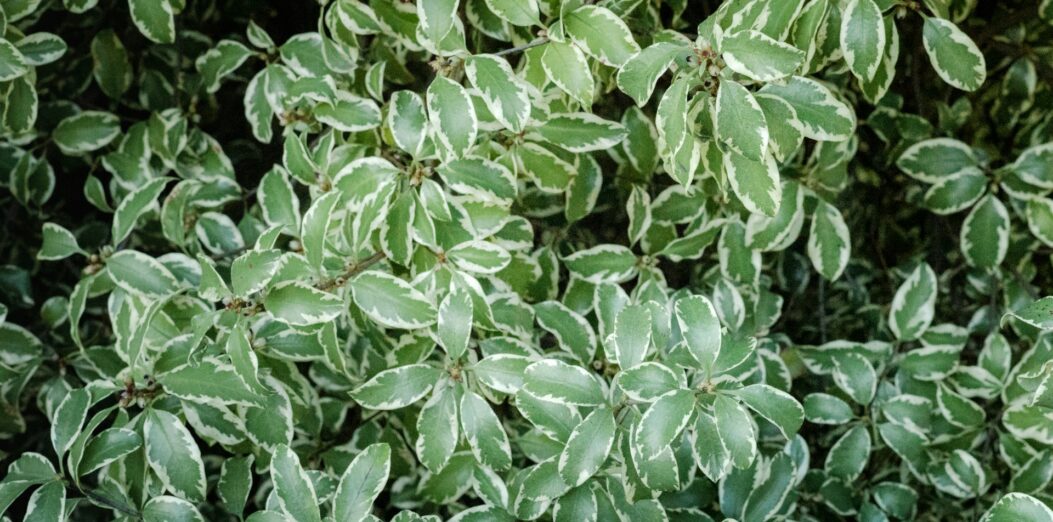
With glossy, wavy‑edged leaves, dark stems, and a naturally refined shape, Pittosporums quietly elevate borders, create neat hedges, and add structure to planting schemes. Their appeal isn’t just aesthetic: they’re hardy, adaptable, and surprisingly low‑maintenance.
Appearance
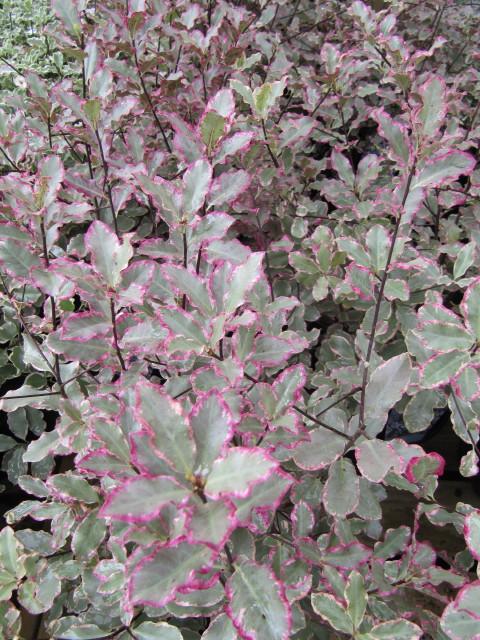
- The foliage is the star of the show with Pittosporums. Whether green, purple, or variegated, the leaves hold their colour beautifully through winter.
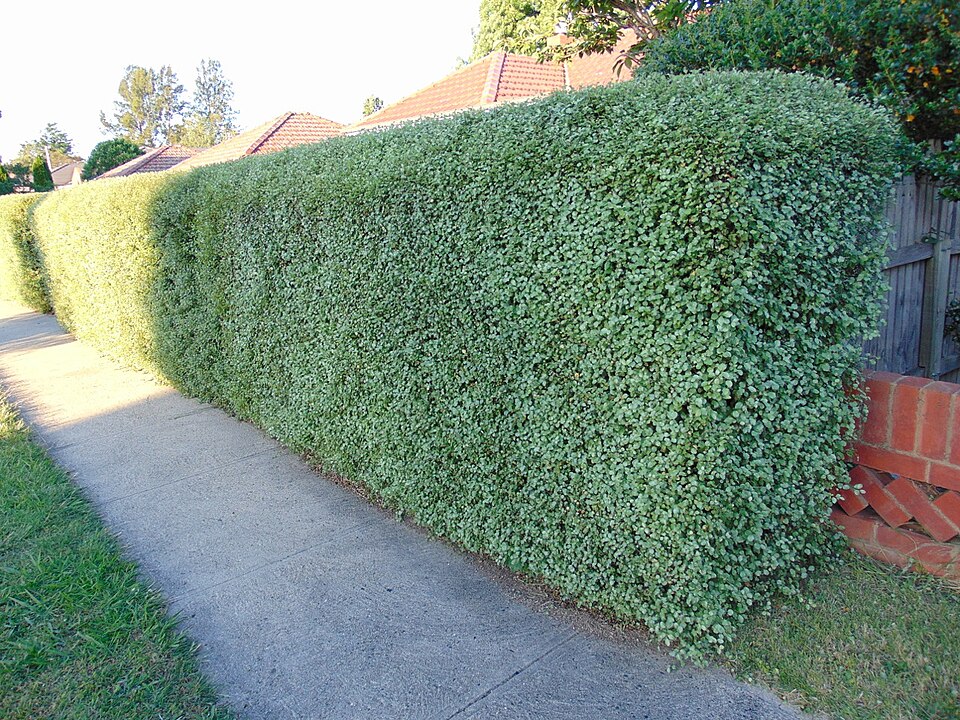
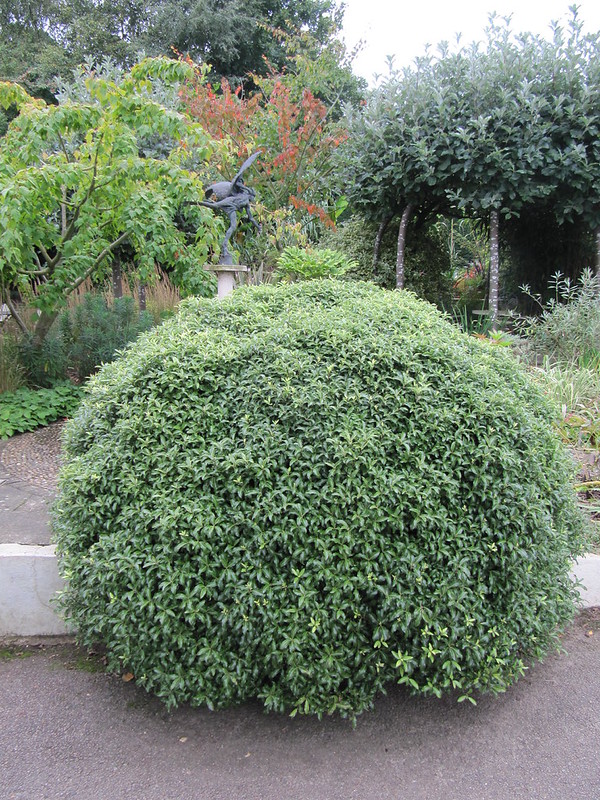
- Many cultivars have a compact, architectural habit, making them ideal for structure in mixed borders or for clipping into domes and soft shapes.
- Although evergreen, Pittosporum subtly shifts with the seasons. New growth often emerges in fresh, brighter tones, and variegated forms glow in low winter light. The small, dark purple flowers appear in late spring, but the evergreen leaves are the reason I love them.
Where to Plant Them
- Pittosporum tenuifolium are happiest in full sun or light shade, in well‑drained soil, and in a sheltered position away from cold, drying winds.
- They’re particularly valuable in coastal gardens thanks to their tolerance of salt‑laden air. They can be planted in a mixed border as an evergreen backdrop.
- I like to use them as an alternative to topiary or to add a formal shape into a planting scheme and they can be used to highlight a stopping point or draw the eye. For example, placed either side of some steps, to highlight them, or as repeat planting along a path.
- Smaller varieties are great for mixing into seasonal planting in pots.
Pests and Diseases
- Once established, Pittosporum tenuifolium is mainly trouble-free.
- Powdery mildew can occur if conditions are dry, and you can prevent this by watering occasionally and thoroughly during periods of dry weather.
- Leaf spot may appear on the leaves, and can be trimmed off if the foliage is badly affected. To boost the plant health, mulch the soil with garden compost or chipped bark. Feed with a slow-release fertilizer in spring if the foliage looks pale or discoloured, but take care not to over-feed
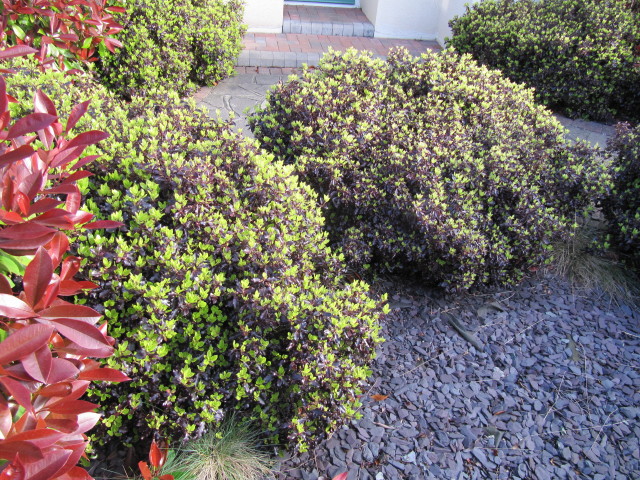
Right: Pittosporum ‘Tom Thumb’
Plant Care
- During the first growing season until the root system is well established, keep watering during dry spells.
- After that, Pittosporum tenuifolium needs no regular care apart from pruning as required.
- Lightly trim from late spring to mid‑summer to maintain shape. Avoid hard pruning into old wood as Pittosporum doesn’t regenerate well from bare stems
Varieties to Consider
- Pittosporum ‘Tom Thumb’ — deep bronze‑purple foliage, with green new growth, which makes it easy to keep pruned into shape. Naturally compact (around 90 cm), no clipping needed.
- Pittosporum ‘Silver Queen’ — cream‑edged leaves, upright habit, excellent for hedging. Looks great at the back of a border particularly as a backdrop to purple leaves or flowers.
- Pittosporum ‘Golf Ball’ — forms a perfect dome around 90 cm, very hardy (down to –12°C). Great as a traditional topiary alternative.
- Pittosporum ‘Irene Patterson’ — speckled white leaves, compact and decorative. Works great to brighten a corner or between other evergreen shrubs to add more colour interest.
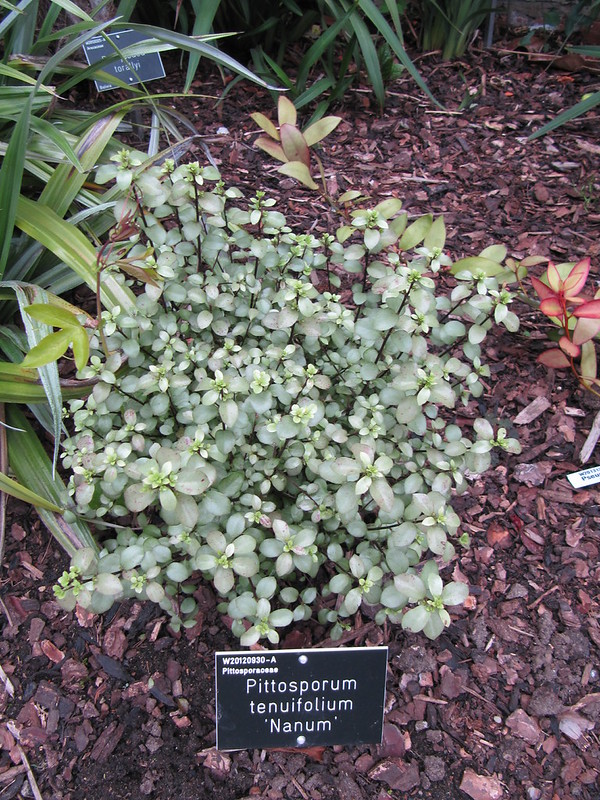
- Pittosporum ‘Bannow Bay’ — A small compact variety that produces variegated white and green leaves. They start as mottled green and then change to a crimson shade in the winter. Perfect for the front of the border and pots.
Right: Pittosporum ‘Golf Ball’
From planning a new border to a complete garden remodel, we pride ourselves on transforming ideas into beautiful reality, with minimum disruption. If you’re based in or around the Reading and Newbury area, we’d love to meet and discuss your project in detail – book your free no-obligation garden consultation today.